France Itinerary: 7, 10, 14 and 21-Day France Trip Ideas
Explore France with practical 7, 10, 14, and 21-day itinerary ideas covering Paris, Provence, Normandy, Bordeaux, Alsace, and the Riviera, with routes, costs, and travel tips.

A France itinerary built around the TGV network reaches Paris, Provence, Alsace, and Bordeaux without a rental car. Seven days fit Paris and one region; fourteen opens history, wine country, and the Mediterranean coast in one arc. This covers seven trip lengths with 2026 costs and a day-by-day structure throughout.
When you plan a trip to France, region choice matters more than day count. The Paris-Provence TGV corridor forms the backbone of most visits. The right France travel itinerary depends on whether you want city culture, wine regions, coastal scenery, or all three.
May, September, and early October typically deliver 20-30 percent savings on accommodation versus July peak. Transport fares vary more by booking date and flexibility than by season.

France Itinerary at a Glance
Read more: France travel planning covers costs, transport routes, safety, and logistics well beyond what any single itinerary can address. 👉 France Travel Guide: Costs, Routes, Safety and More
How Many Days Do You Need in France?
Minimum worthwhile stay: Five days. Three days covers Paris highlights but leaves no time for any other French region. A five-day visit allows Paris (3 nights) plus one overnight in Avignon or Strasbourg, which adds meaningful regional contrast without a rushed return.
Ideal stay: Ten to fourteen days. Ten days covers Paris and two secondary regions at a comfortable pace. Fourteen days opens the Atlantic coast, Loire châteaux, Bordeaux, and Provence in one continuous arc without moving base every night.
Longer stay: Twenty-one days runs Normandy to the Riviera fully, with genuine slow pacing in Dordogne, Languedoc, and the Basque Country that shorter trips cannot fit.
What changes with each additional block of time:
- 3 days: Paris highlights only (Louvre, Versailles, Eiffel Tower)
- 5 days: Paris plus one brief southern or Alsace stay
- 7 days: Paris plus one full secondary region
- 10 days: Paris plus two regions with wine and landscape contrast
- 14 days: History, coast, wine country, and Mediterranean in one arc
- 21 days: Full country at a pace where each region has real breathing room
Plan a trip to France with fewer than five days and Paris alone becomes the only realistic itinerary. Every additional three to four days opens one more region meaningfully.
Read more: Paris rewards dedicated time that most multi-region France trips cannot allow within a single visit. 👉 How Many Days in Paris? 1, 3, 5 & 7-Day Itineraries
Best France Itineraries by Trip Length
France 1-Day Itinerary
A single day in France means Paris. Stay central and on foot.
- Morning: Trocadéro viewpoint and Champ de Mars walk; Musée d'Orsay (from USD 16) or riverbank walk to Notre-Dame exterior
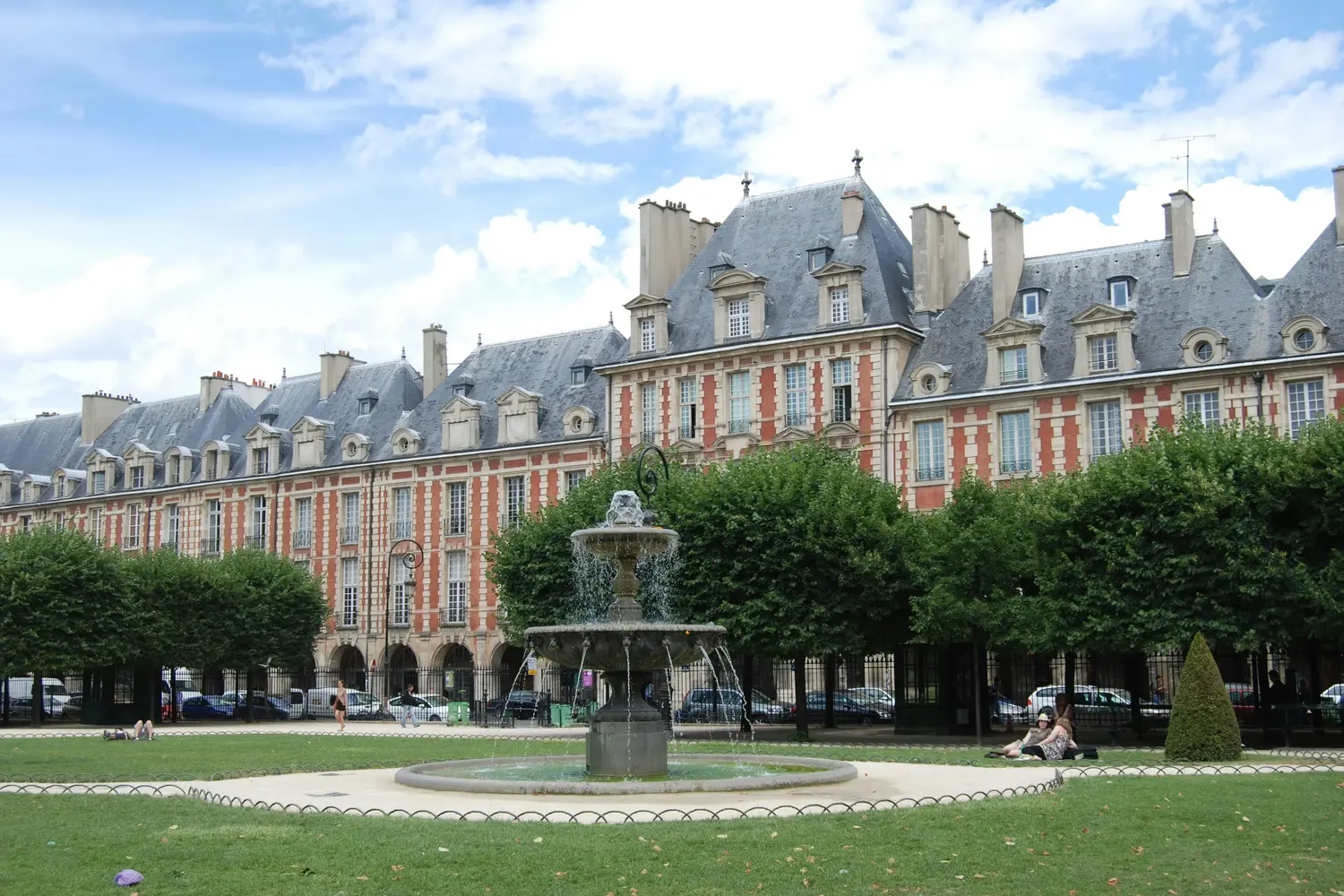
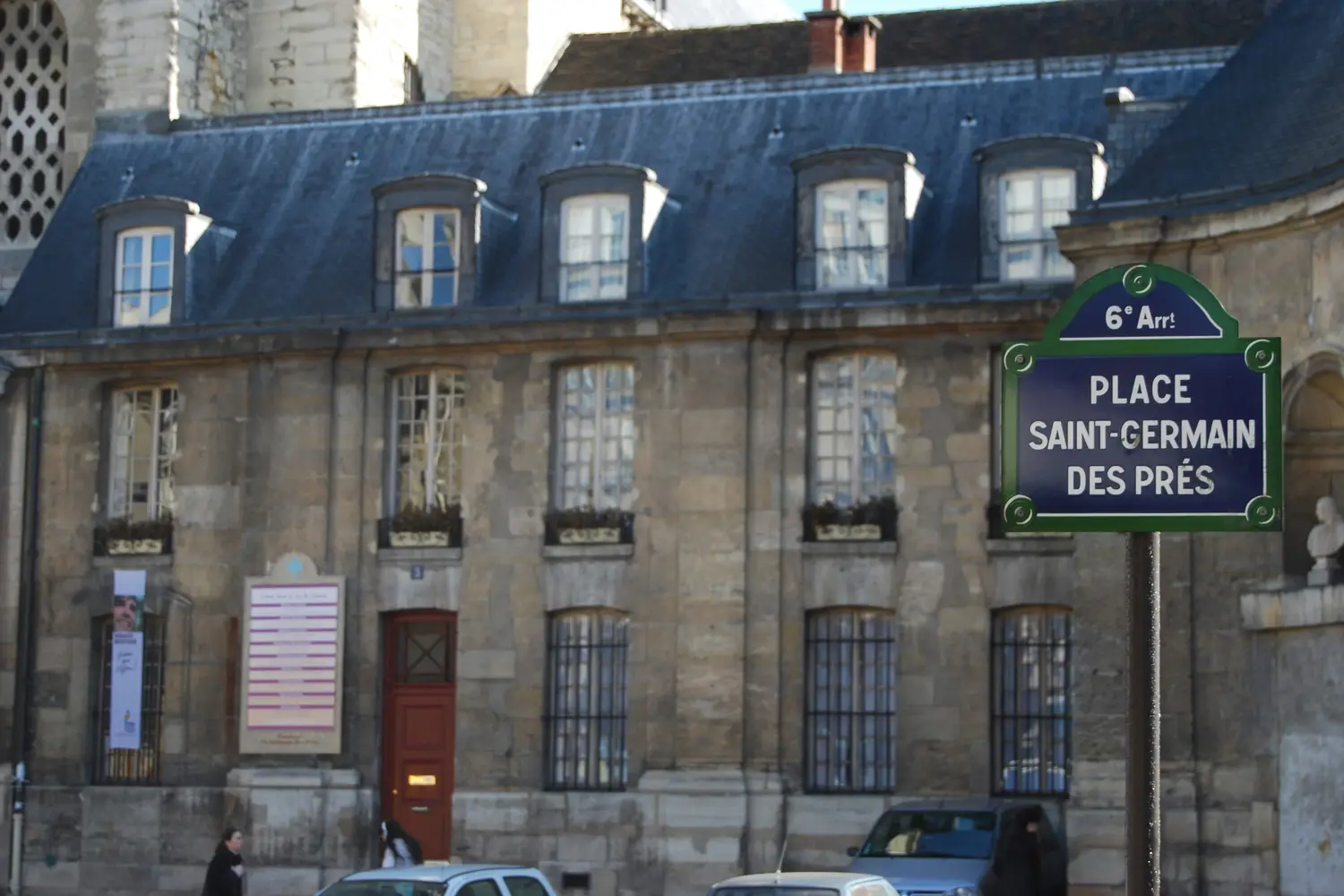
- Afternoon: Marais district and Place des Vosges; Saint-Germain-des-Prés
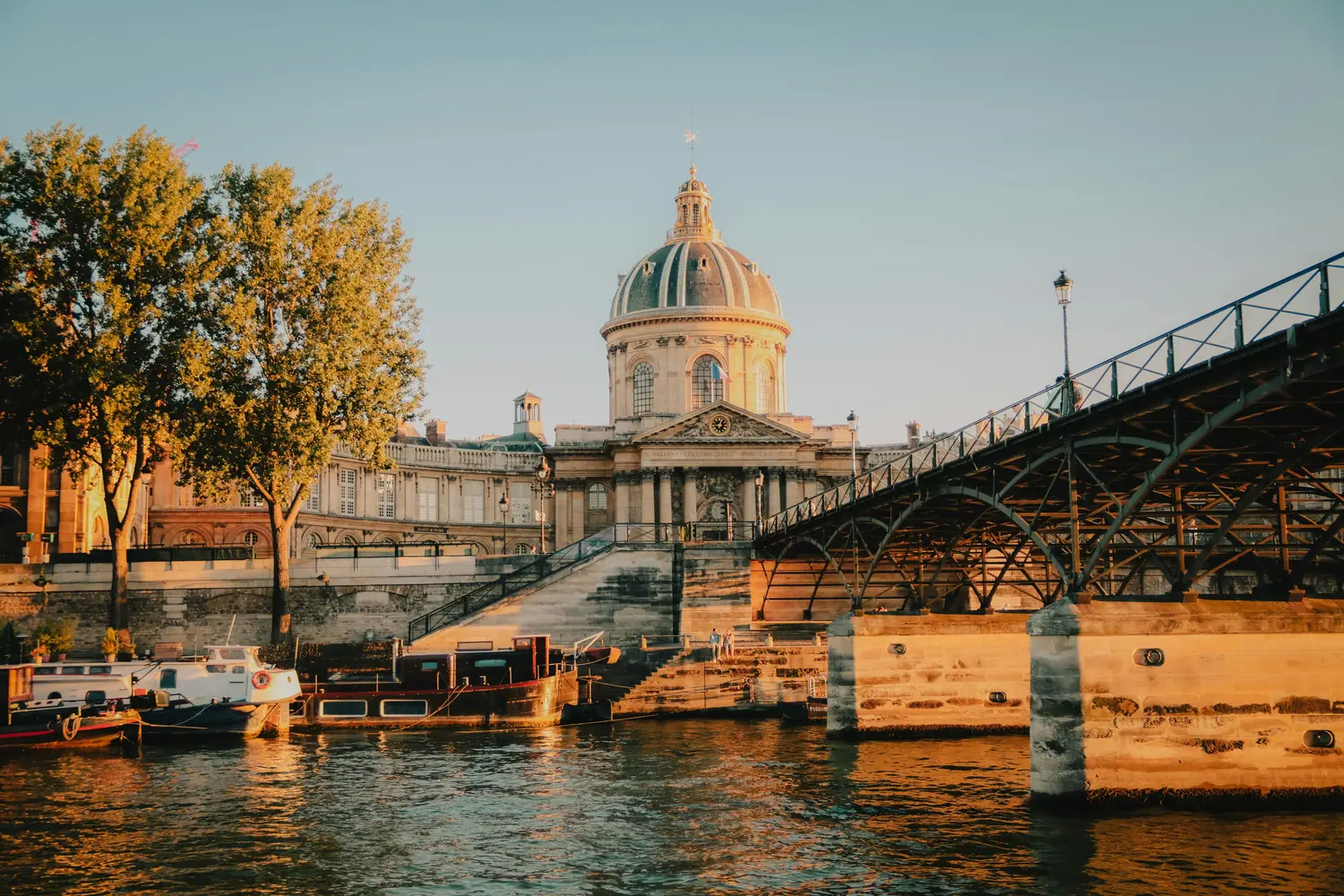
- Evening: Pont des Arts sunset; Tuileries Garden walk; Seine-side bistro dinner
France 3-Day Itinerary
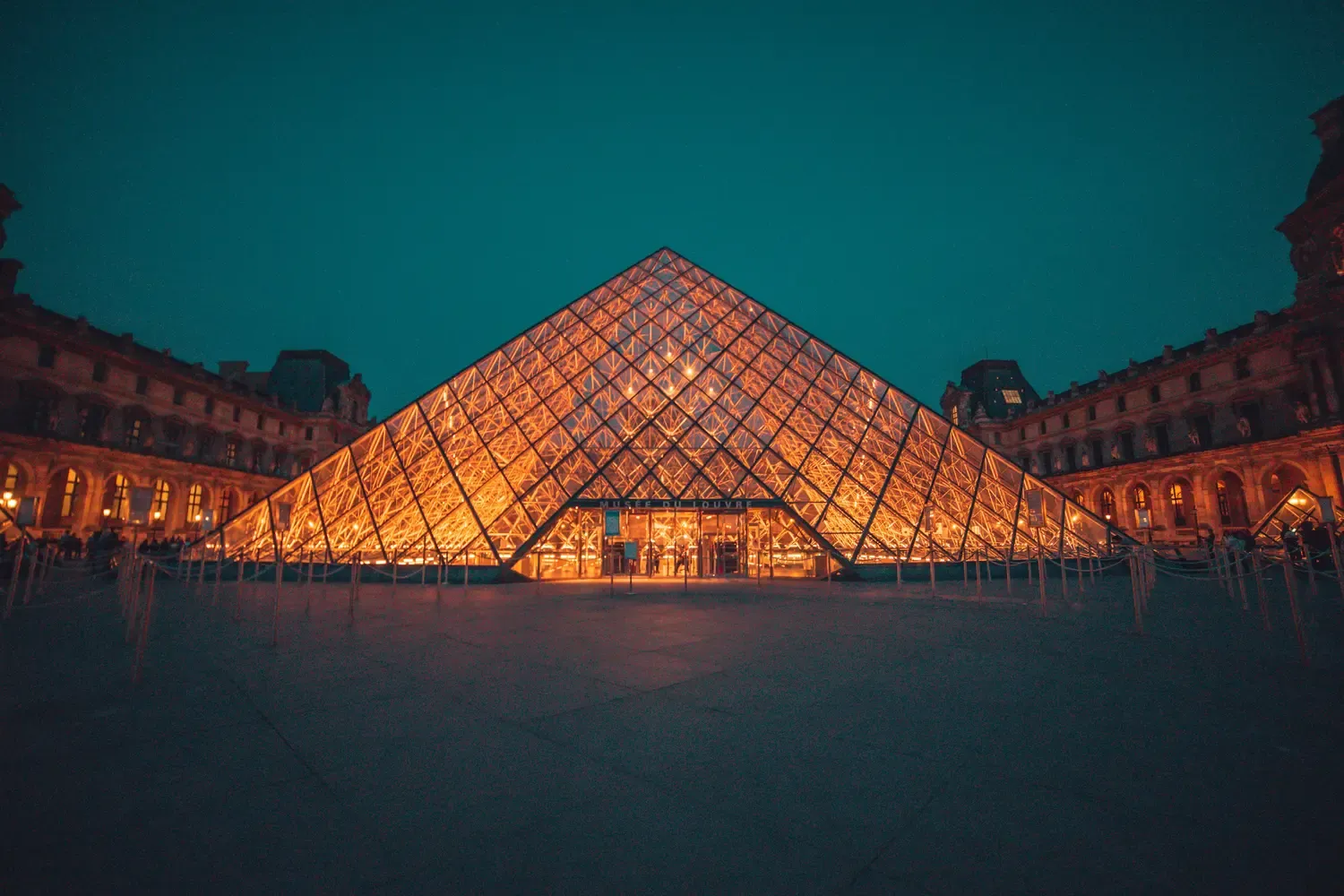
Day 1: Paris historic core (Louvre from USD 22; Marais and Île de la Cité; evening along the Seine)
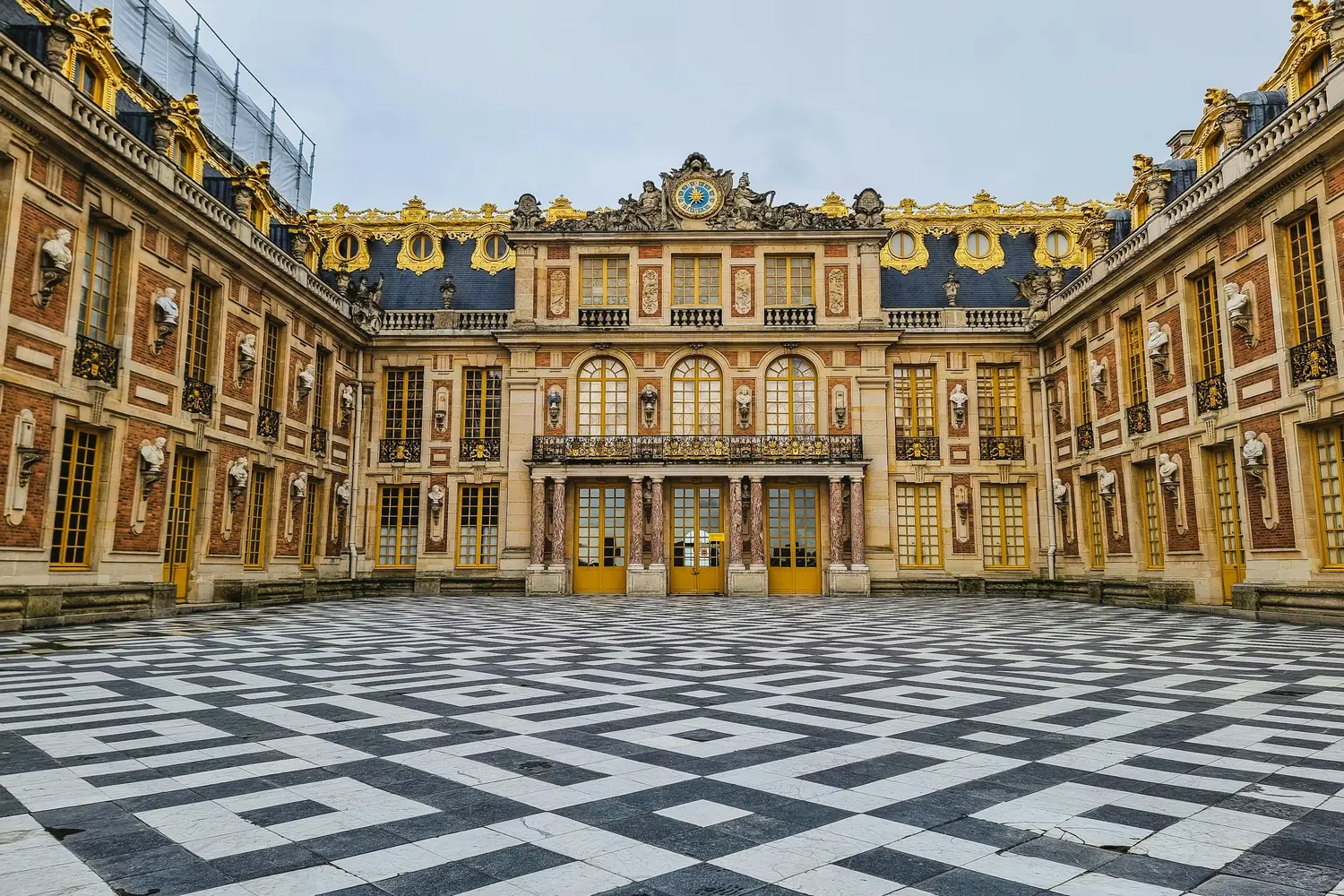
Day 2: Versailles full day (RER C 40 minutes; USD 10 return plus palace from USD 21); Eiffel Tower evening (from USD 30)
Day 3: Musée d'Orsay (from USD 16); Saint-Germain-des-Prés; Montmartre and Sacré-Coeur at sunset
France 5-Day Itinerary
Day 1: Paris (Louvre, Marais, Seine evening)
Day 2: Versailles full day
Day 3: Musée d'Orsay and Saint-Germain; Luxembourg Gardens
Day 4: TGV to Avignon (approximately 2 hours 40 minutes; from USD 35); Palais des Papes (from USD 14)
Day 5: Luberon villages (Gordes, Roussillon by rental car); TGV return to Paris or depart from Marseille airport
France 7-Day Itinerary
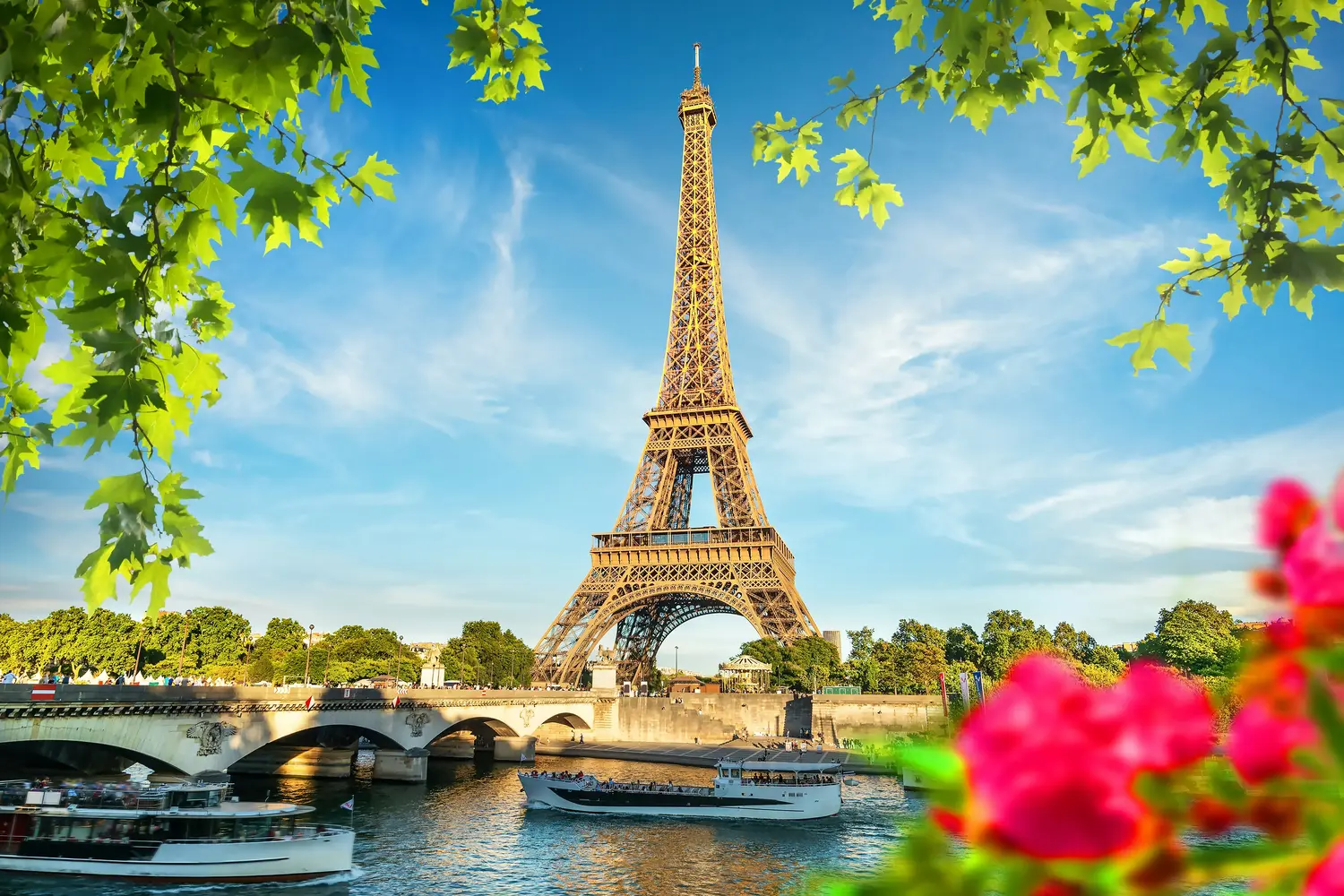
The France itinerary 7 days covers Paris (3 nights) and Provence (3 nights) at a pace that lets both sink in.
Day 1: Louvre morning; Marais afternoon; Seine bistro evening. Overnight: Paris (1st or 4th arrondissement).
Day 2: Versailles full day; Eiffel Tower timed entry evening. Overnight: Paris.
Day 3: Musée d'Orsay; Saint-Germain; Montmartre sunset. Overnight: Paris.
Day 4: TGV Gare de Lyon to Avignon (approximately 2 hours 40 minutes; from USD 35); Palais des Papes; Rhône evening. Overnight: Avignon intra-muros.
Day 5: Gordes hilltop and Roussillon ochre cliffs by rental car (from USD 35/day). Overnight: Avignon.
Day 6: Camargue flamingo reserve (free before 9 am); Les Baux-de-Provence (from USD 10). Overnight: Avignon.
Day 7: TGV return to Paris (from USD 35) or transfer to Marseille-Provence airport.
This 7-day France itinerary suits first-time independent travelers wanting Paris without giving up the southern French landscape.
France 10-Day Itinerary
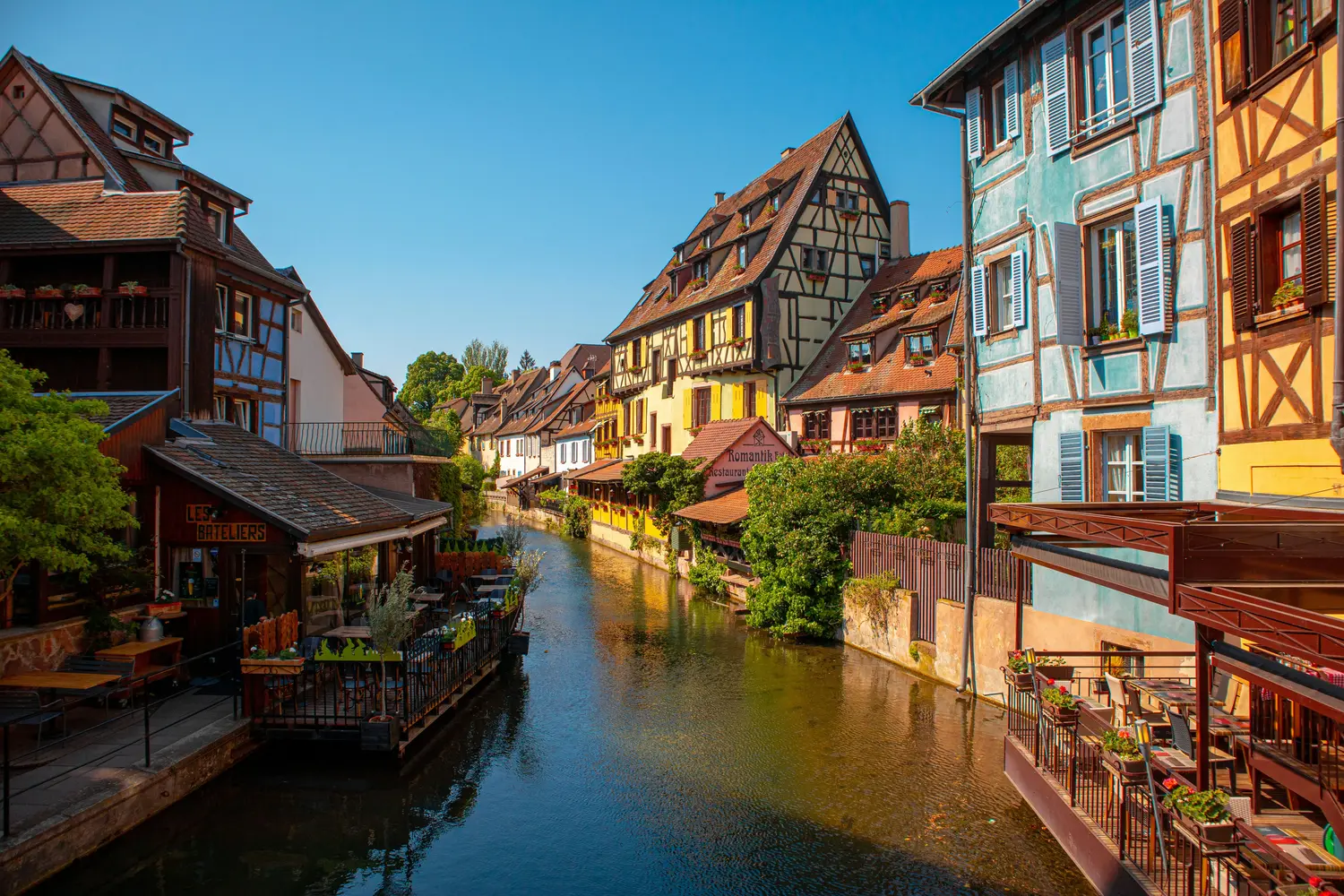
The France itinerary 10 days adds Alsace and Burgundy between Paris and Provence.
- Days 1-3: Paris
- Days 4-5: Strasbourg and Alsace wine route (TGV approximately 2 hours; from USD 40)
- Days 6-7: Beaune and Burgundy vineyards (regional train via Dijon)
- Days 8-10: Provence from Avignon base
This 10-day trip to France itinerary suits wine and culture travelers, combining medieval half-timbered villages with southern landscape.
France 14-Day Itinerary
The 14-day France itinerary runs the full Paris-coast-wine-south arc with time in each region.
- Days 1-3: Paris
- Days 4-5: Normandy (D-Day beaches and Mont Saint-Michel)
- Days 6-7: Loire Valley châteaux circuit
- Days 8-9: Bordeaux and Saint-Émilion (TGV approximately 2 hours 5 minutes; from USD 35)
- Days 10-12: Provence from Avignon base
- Days 13-14: French Riviera from Nice base
This two week trip to France itinerary suits couples and food travelers wanting history, Atlantic coast, and Mediterranean combined without rushing each section.
France 21-Day Itinerary
A France vacation itinerary of three weeks runs the full north-to-south arc at a genuinely slow pace.
- Days 1-4: Paris
- Days 5-7: Normandy and Brittany
- Days 8-9: Loire Valley
- Days 10-11: Bordeaux
- Days 12-14: Dordogne and Périgord
- Days 15-17: Toulouse and Languedoc
- Days 18-19: Carcassonne
- Days 20-21: Marseille and Riviera
Read more: France connects naturally into a wider European circuit for travelers with three or more weeks available. 👉 Europe Itinerary 7, 10, 14, and 21-Day Europe Trip Ideas
Detailed France Itinerary
The 7-day France travel itinerary below gives the full day-by-day practical breakdown.
Day 1: Paris
Morning: Louvre Museum (book 4-6 weeks ahead; from USD 22).
Afternoon: Marais and Place des Vosges.
Evening: Seine bistro dinner (USD 20-35 for two courses).
Where to stay: 1st or 4th arrondissement.
Getting around: Metro Line 1 covers the Louvre, Champs-Élysées, and Bastille; Line 4 covers Notre-Dame and connects to Montmartre via Line 12.
Day 2: Versailles and Paris
Morning: RER C to Versailles (40 minutes; USD 10 return; palace from USD 21).
Afternoon: Grand Trianon and Marie-Antoinette's estate.
Evening: Eiffel Tower timed entry (from USD 30; book 3-4 weeks ahead).
Where to stay: Paris.
Getting around: RER C from Saint-Michel Notre-Dame station to Versailles; Metro Line 6 to Bir-Hakeim station for the Eiffel Tower evening visit.
Day 3: Paris
Morning: Musée d'Orsay (from USD 16; book 2 weeks ahead in summer).
Afternoon: Saint-Germain-des-Prés and Luxembourg Gardens.
Evening: Montmartre wine bar on Rue des Abbesses.
Where to stay: Paris.
Getting around: Metro Line 12 to Abbesses.
Day 4: Avignon
Morning: TGV from Paris Gare de Lyon (approximately 2 hours 40 minutes; from USD 35).
Afternoon: Palais des Papes (from USD 14).
Evening: Old city walls walk.
Where to stay: Avignon intra-muros.
Getting around: Walking covers all old city sights.
Day 5: Luberon
Morning: Gordes hilltop village panoramic view.
Afternoon: Roussillon ochre cliffs and Bonnieux village market.
Evening: Return to Avignon; dinner in the old city near Place de l'Horloge (USD 18-30 for two courses).
Where to stay: Avignon.
Getting around: Rental car (from USD 35/day) is essential; bus connections between Luberon villages are very limited.
Day 6: Camargue and Les Baux
Morning: Camargue flamingo reserve (free road access; best before 9 am).
Afternoon: Les Baux-de-Provence fortress ruins (from USD 10).
Evening: Final Avignon old city walk along the ramparts; aperitivo on Place du Palais.
Where to stay: Avignon final night. Getting around: Rental car.
Day 7: Departure
Morning: Return rental car in Avignon; coffee and market visit at Les Halles d'Avignon (free; open until 1 pm).
Afternoon: TGV Avignon to Paris (approximately 2 hours 40 minutes; from USD 35) or Marseille-Provence airport shuttle (from USD 15).
Evening: Onward departure or Paris overnight depending on flight schedule.
Where to stay: Paris city center or CDG airport hotel if flying the following morning; Marseille-Provence airport area hotel if departing same day from the south.
Getting around: TGV from Avignon TGV station or shuttle to Marseille-Provence airport.
France Itinerary by Region
Northern France Itinerary
A northern France itinerary anchors in Paris and extends west into Normandy and north through Champagne. The American Cemetery at Colleville-sur-Mer is free and among France's most visited memorial sites.
Mont Saint-Michel entry starts from USD 13; guided tidal crossings from USD 40.
TGV from Paris to Reims runs approximately 45 minutes (from USD 20), making Champagne cellar tours a viable one-night add-on from the capital.
Central France
The Loire Valley's 300-kilometer château circuit runs flat cycling paths between Blois and Angers. Château de Chambord (from USD 16) and Château de Chenonceau (from USD 17) anchor the route, both accessible by regional train from Tours (70 minutes from Paris by TGV).
Southern France Itinerary
A dedicated southern France itinerary from Bordeaux east to Nice takes 10-14 days at a comfortable pace.
Bordeaux's Saint-Émilion (regional train approximately 35 minutes; USD 8 return), Avignon Palais des Papes, Gordes, and Nice's Promenade des Anglais form the core southern arc.
Èze clifftop village and Monaco extend the Riviera section as day trips from a Nice base.
Best France Routes
Classic First-Time Route: Paris (3 nights) → Loire Valley (2 nights) → Avignon/Provence (3 nights). All three legs by TGV without a rental car.
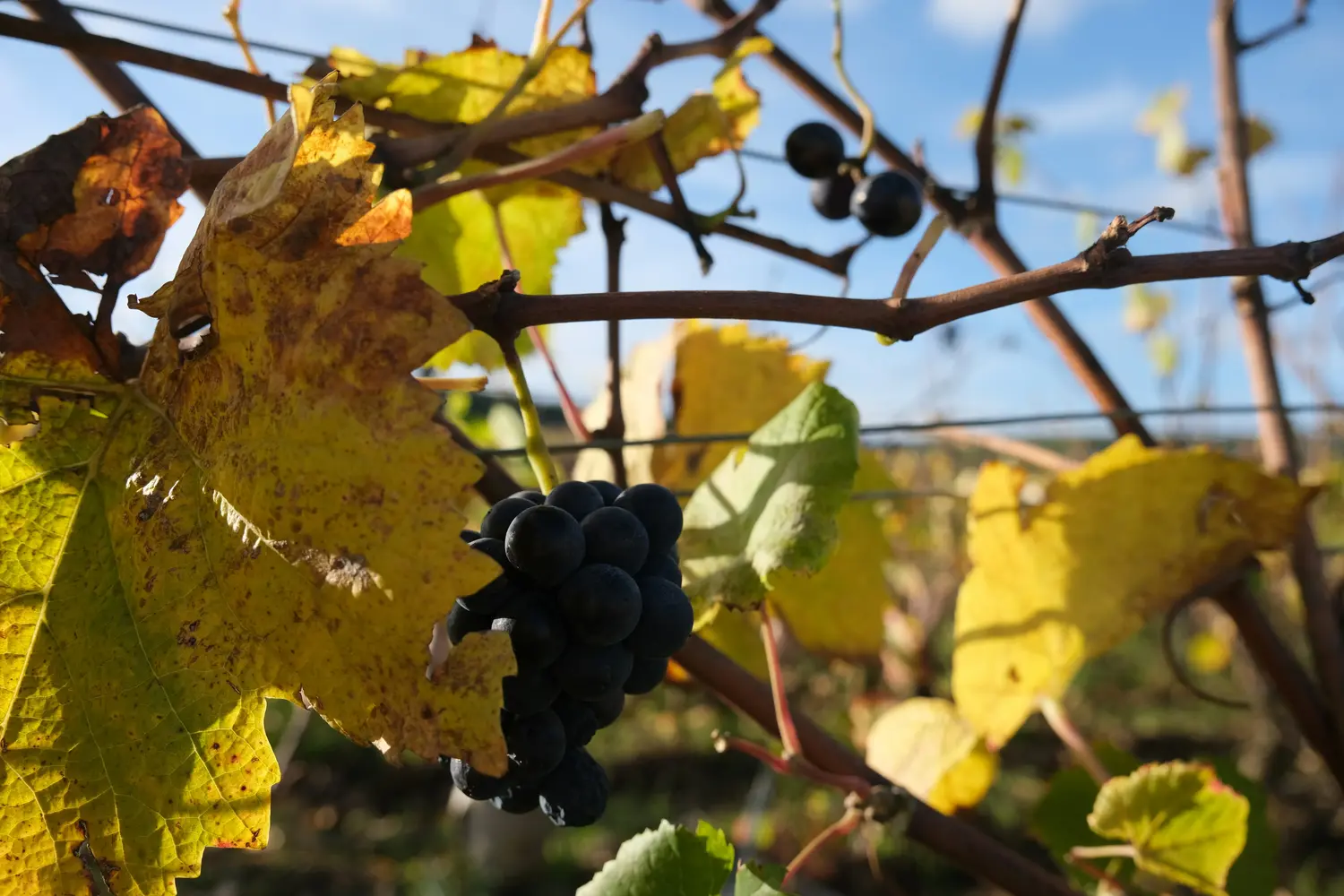
Wine and Culture Route: Paris (2 nights) → Reims/Champagne (1 night) → Beaune/Burgundy (2 nights) → Lyon (1 night) → Bordeaux (2 nights).
Atlantic and Southwest Route: Bordeaux (2 nights) → Biarritz/Basque Country (2 nights) → Toulouse (1 night) → Carcassonne (1 night). Regional trains or rental car.
Full North-South Route: Normandy → Paris → Strasbourg → Burgundy → Lyon → Avignon → Nice.
Works best as a 21-day France travel itinerary progressing north to south by TGV.
Read more: France holds genuinely surprising cultural and historical details that most visitors only discover on arrival. 👉 20 Fun Facts About France That Will Surprise You
How Long to Spend in Each Place
Best Day Trips in France
Versailles from Paris
Why go: The Palace of Versailles, a UNESCO World Heritage Site built by Louis XIV in the 17th century. How to get there: RER C from Saint-Michel Notre-Dame (40 minutes; USD 10 return).
Travel time: 40 minutes. What to do: State Apartments, Hall of Mirrors, Grand Trianon, gardens.
How long: Full day. Who should go: History travelers, families, all first-time France visitors.
Mont Saint-Michel from Paris
Why go: Tidal island Benedictine monastery with dramatic causeway approach, approximately 360km from Paris.
How to get there: TGV to Rennes (approximately 1 hour 40 minutes; from USD 19), then coach (approximately 1 hour 15 minutes; USD 8-15 depending on operator).
What to do: Abbey interior (from USD 13); causeway walk; check tidal access at maree.info.
How long: Full day. Who should go: All visitor types; essential on any northern France route.
Saint-Émilion from Bordeaux
Why go: UNESCO-listed wine village with underground cave cellars and a Romanesque monolithic church.
How to get there: Regional train from Bordeaux Saint-Jean (approximately 35 minutes; USD 8 return).
What to do: Village walk; one cave cellar tasting; Monolithic Church.
How long: 4-5 hours.
France Itinerary by Travel Style
First-Time Visitor Itinerary
Paris (3 nights), Loire Valley (2 nights), Provence (3 nights). The best places to visit in France for first-time visitors cluster along this TGV arc, fully accessible without a rental car.
Couples Itinerary
Paris (2 nights), Champagne (1 night), Burgundy (2 nights), Provence (3 nights), Riviera (2 nights). The best things to do in France for couples consistently centers on wine region evenings, Luberon hilltop village walks, and coastal sunset views.
Family Itinerary
Paris (3 nights including optional Disneyland Paris), Loire Valley cycling (2 nights), Brittany beaches (3 nights). Avoid August Riviera for family travel; accommodation doubles and beaches reach capacity simultaneously.
Budget Itinerary
Paris hostel (from USD 25/night), overnight train to Marseille (from USD 30), Provence guesthouses (from USD 40/night). France travel tips for budget travelers consistently point to May and September over July-August for 30-40 percent lower accommodation.
Luxury Itinerary
Paris grand hotel (from USD 350/night), private Champagne cellar tour (USD 100-200 per person), Provence mas farmhouse (from USD 200/night), Riviera private boat charter (from USD 500/day). TGV first class throughout all intercity legs.
France Itinerary by Season
Spring (April-June)
Best overall conditions. Paris gardens peak, Loire cycling is comfortable, and accommodation sits 20-30 percent below July rates. The best time to visit France for combining city and countryside without summer heat is May.
Summer (July-August)
Riviera beaches and the Avignon Festival peak alongside French school holidays (approximately July 4 to September 1 in 2026). Book TGV tickets and Paris accommodation by February for July travel.
Autumn (September-October)
Wine harvest in Burgundy, Bordeaux, and Alsace. Crowd levels drop from September 1. Truffle markets in Périgord open from November.
Winter (December-February)
Strasbourg Christmas market runs late November through late December. Alpine skiing in Chamonix peaks January through March. Paris museums sit at their quietest of the year.
How to Get Around France
How to get around in France varies entirely by region:
- TGV: Paris to Avignon (approximately 2 hours 40 minutes); Paris to Bordeaux (approximately 2 hours 5 minutes); Paris to Strasbourg (approximately 2 hours)
- Regional trains: Secondary cities at lower fares; no advance booking required on most routes
- Rental car: Essential for Normandy, Loire château circuit, Luberon villages, and Dordogne
- Metro: Paris (16 lines); Lyon; Marseille; Nice; approximately EUR 2.15 per journey (approximately USD 2.30)
- Ferry: Cross-Channel from Dover to Calais for UK travelers entering from the north
- Walking: All French city historic centers cover main sightseeing zones in 20-30 minutes on foot
Where to Stay on Your France Itinerary
- 7-day France itinerary: Paris (3 nights) and Avignon (3 nights); one base change total
- France itinerary 10 days: Add Strasbourg (2 nights) and Beaune (2 nights) between Paris and Provence
- 14-day route: Normandy start (2 nights), Bordeaux mid-trip (2 nights), Riviera close (2 nights)
Changing base city every 2-3 nights suits any multi-region France vacation itinerary. Moving every night adds fatigue and removes meaningful regional depth.
France Itinerary Cost
Source: Numbeo France Cost of Living; 2026 market data.
A mid-range 10-day France trip costs approximately USD 2,000-2,800 per person, excluding international flights.
What to Book in Advance
Book 4-6 weeks ahead (2-3 months for July-August)
- Versailles timed entry
- Louvre tickets
- Musée d'Orsay
- Mont Saint-Michel guided tidal crossing
- TGV Paris-Bordeaux and Paris-Marseille journeys
- Avignon Palais des Papes (during July festival, 8-10 weeks ahead)
Usually flexible:
- Normandy D-Day memorial sites (most free; no booking required)
- Loire Valley regional train journeys
- Champagne cellar tours (1-2 weeks ahead recommended)
- Luberon village walks
What to Pack for France
A complete packing list for France covers cobblestones, variable weather, and church dress requirements across all regions:
- Flat comfortable walking shoes for Paris streets and Provençal village paths
- Light layers for evenings that cool quickly from April through October
- Compact waterproof for Normandy and Brittany where rain occurs year-round
- European Type E plug adapter (230V)
- Downloaded TGV e-tickets before departure (rural station signal can be unreliable)
- Scarf for basilica and cathedral entry across all French regions
Staying Connected in France
Hotel Wi-Fi in rural Provence, the Luberon, and Normandy countryside is inconsistent. TGV digital tickets, rental car pick-up codes, and last-minute restaurant bookings all need live data at moments when hotel Wi-Fi is unavailable.
Roaming on a home carrier adds USD 10-30 per day on most plans. A local French SIM requires you to find a tabac or operator store on arrival.
An eSIM for France installs before you leave and activates on landing, with no physical card and no airport queue. The best eSIM for France travel covers 4G and 5G across Paris, Alsace, Bordeaux, Provence, and Normandy from the moment you clear customs.
An eSIM Europe plan extends the same connection across 30-plus countries, keeping maps and booking apps live for itineraries extending into Belgium, Switzerland, or Spain.
An eSIM for France plan from Jetpac offers unrestricted hotspot sharing, access to apps like WhatsApp, Google Maps, and Uber even after data runs out.
Setting up an eSIM France plan before departure means your first TGV booking, first Maps navigation, and first restaurant search work without needing to find a SIM shop.

Common France Itinerary Mistakes
Plan a trip to France carefully around these destination-specific mistakes:
- Scheduling Paris and Nice in the same week; the TGV journey runs 5+ hours and wastes a full travel day
- Visiting Versailles without timed entry; July queues regularly exceed 90 minutes at the gate
- Booking a rental car for Paris; parking costs and restricted traffic zones in central Paris make it impractical
- Underestimating Normandy; the D-Day circuit needs a full dedicated car-hire day to cover properly
- Moving base every night on a two-week trip to France itinerary; losing regional immersion is the single biggest planning mistake
- Cutting the Loire Valley from a France itinerary 10-day route; Château de Chenonceau alone justifies the detour from Paris
Read more: France visa requirements update annually; confirm your nationality's entry status before booking any flights or trains. 👉 Do I Need a Visa to Travel to France? 2026 Visa Requirements
FAQs
How many days do I need in France?
Seven days covers Paris plus one region at a sustainable pace; ten adds a second region; fourteen opens the full north-south arc including Normandy, Bordeaux, Provence, and the Riviera.
What is the best France itinerary for first-time visitors?
Paris (3 nights), Loire Valley (2 nights), and Provence (3 nights) delivers the strongest first-time combination, fully accessible by TGV without a rental car.
Is a 7-day France itinerary enough?
A France itinerary 7 days covers Paris and Provence comfortably; attempting two full regions in 7 days creates back-to-back travel days with insufficient time in each place.
What is the best route through France?
The Paris-Loire-Provence TGV corridor suits most first visits; Alsace or Normandy can be added as a third region depending on interests and available days.
Can I do Bordeaux and Provence on a 10-day trip?
Yes; a 10-day trip to France itinerary connecting Paris, Bordeaux, and Provence is one of the strongest wine and landscape combinations available within that time frame.
What is the best time to visit France for a first trip?
May and September deliver warm weather, fully open attractions, and accommodation running 20-30 percent below July peak across all regions.
Is two weeks enough to see France?
A two-week trip to France itinerary covers 4-5 regions at a comfortable pace; seeing the full country meaningfully requires 21 days or a dedicated return visit for Brittany, Dordogne, and the Basque Country.
What should I not miss on any France trip?
Versailles, Mont Saint-Michel, Avignon Palais des Papes, the Alsace wine route, and at least one Luberon or Provence village circuit are the experiences most consistently cited across every France trip length.
Disclaimer
The information in this blog was accurate at the time of writing and is based on available travel, pricing, and destination data. Prices, schedules, availability, and other details may change after publication. Jetpac is not responsible for such changes. Attraction prices, rail fares, and journey times are subject to change. Recheck directly with official sources before booking.
Get connected as soon as you land with a Jetpac travel eSIM.