25 Fun Facts About Venezuela: From Angel Falls to the Caribbean
Angel Falls, ancient tepuis, Catatumbo lightning, Caribbean islands, and arepas are just some of Venezuela’s surprises. Discover 25 facts about this diverse country.

Venezuela is one of South America's most extraordinary countries, combining the world's highest waterfall, ancient tepui table mountains, Catatumbo lightning, Caribbean beaches, and the vast Orinoco basin.
These 25 fun facts about Venezuela span natural wonders, geography, history, food, culture, and sport, revealing a destination far more diverse than most travelers expect.
Exploring these quick facts about Venezuela and 25 detailed discoveries will reshape how you see this remarkable nation.
Quick Facts About Venezuela
These quick facts about Venezuela confirm the country's remarkable geographic and cultural range at a glance.

25 Fun Facts About Venezuela
These fun facts for Venezuela cover nature, history, culture, food, sport, and geography across one of South America's most fascinating nations.
1. Venezuela Is Home to Angel Falls, the World's Highest Waterfall
Angel Falls, known in the Pemón language as Kerepakupai Merú, drops approximately 979 meters from the Auyán-Tepui plateau inside Canaima National Park. It is the world's highest uninterrupted waterfall and one of Venezuela's most celebrated fun facts worldwide.
2. Angel Falls Is Located in a Massive National Park
Canaima National Park spans approximately 3 million hectares. UNESCO records confirm that roughly 65 percent consists of tepui table-mountain formations, making it one of the most geologically distinctive protected natural areas on the planet.
3. Venezuela Has Hundreds of Flat-Topped Tepui Mountains
Tepuis are ancient sandstone plateaus that rise dramatically above the surrounding jungle. Their millions of years of isolation produced ecosystems where endemic species evolved with no parallel elsewhere, giving these formations exceptional scientific importance.
4. Venezuela Has a Landscape Known as the "Lost World"
Arthur Conan Doyle's 1912 novel The Lost World drew directly from Venezuela's tepui landscapes. UNESCO's Canaima documentation references this literary connection, reflecting how powerfully these tabletop mountains captured scientific and creative imagination.
These are among the most interesting facts about Venezuela that bridge geology and literature.
Read more: Costa Rica's extraordinary biodiversity and natural wonders share fascinating parallels with Venezuela's Amazonian landscapes. It explores the world's happiest country in remarkable detail. 👉 Fun Facts About Costa Rica: Discover the World's Happiest Country
5. Canaima National Park Is a UNESCO World Heritage Site
Canaima received UNESCO World Heritage designation in 1994 for outstanding geological formations, waterfalls, and endemic biodiversity.
It stands among the most important facts of Venezuela's natural heritage and is a defining country of Venezuela facts landmark for international travelers.
6. Venezuela Is Famous for Catatumbo Lightning
The area surrounding Lake Maracaibo experiences persistent thunderstorms driven by a unique combination of geography, heat, and humidity. This natural spectacle has been observed for centuries and remains among the most unusual facts about Venezuela for visitors worldwide.
7. Lake Maracaibo Is One of Venezuela's Most Important Natural Features
Lake Maracaibo is one of South America's largest lakes with a direct connection to the Gulf of Venezuela. Its geography plays a central role in generating the Catatumbo lightning phenomenon that defines the region's climate year-round.
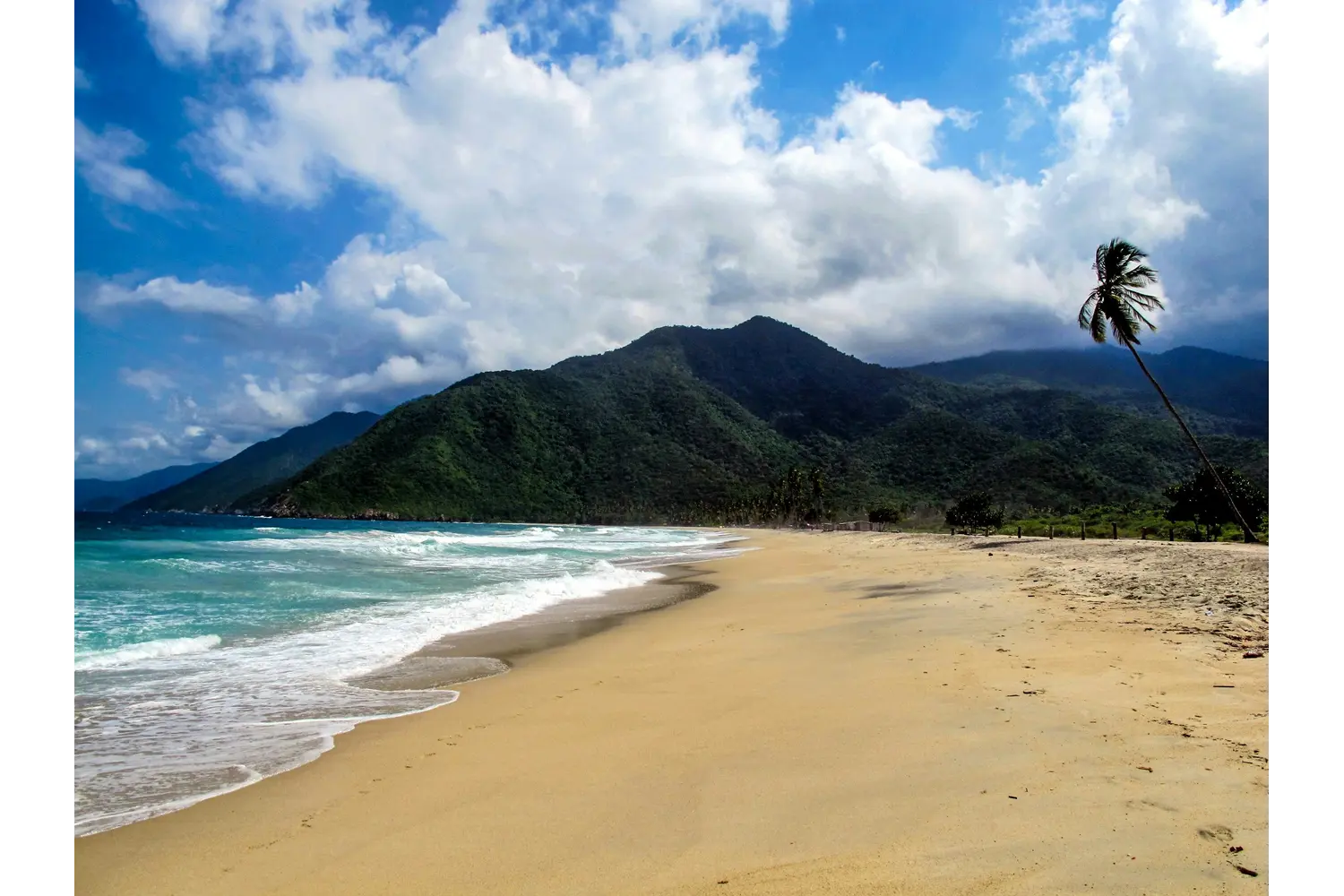
8. Venezuela Has Caribbean Beaches Despite Being in South America
Venezuela's northern coastline faces the Caribbean Sea, including Margarita Island and the Los Roques archipelago. This combination of South American continental geography and Caribbean beaches is among the most surprising random facts about Venezuela for first-time visitors.
Read more: Brazil shares Venezuela's passion for extraordinary natural landscapes and rich cultural diversity across South America. It has 30 compelling facts about Brazil. 👉 30 Fun Facts About Brazil's Culture, Football, and Rainforest
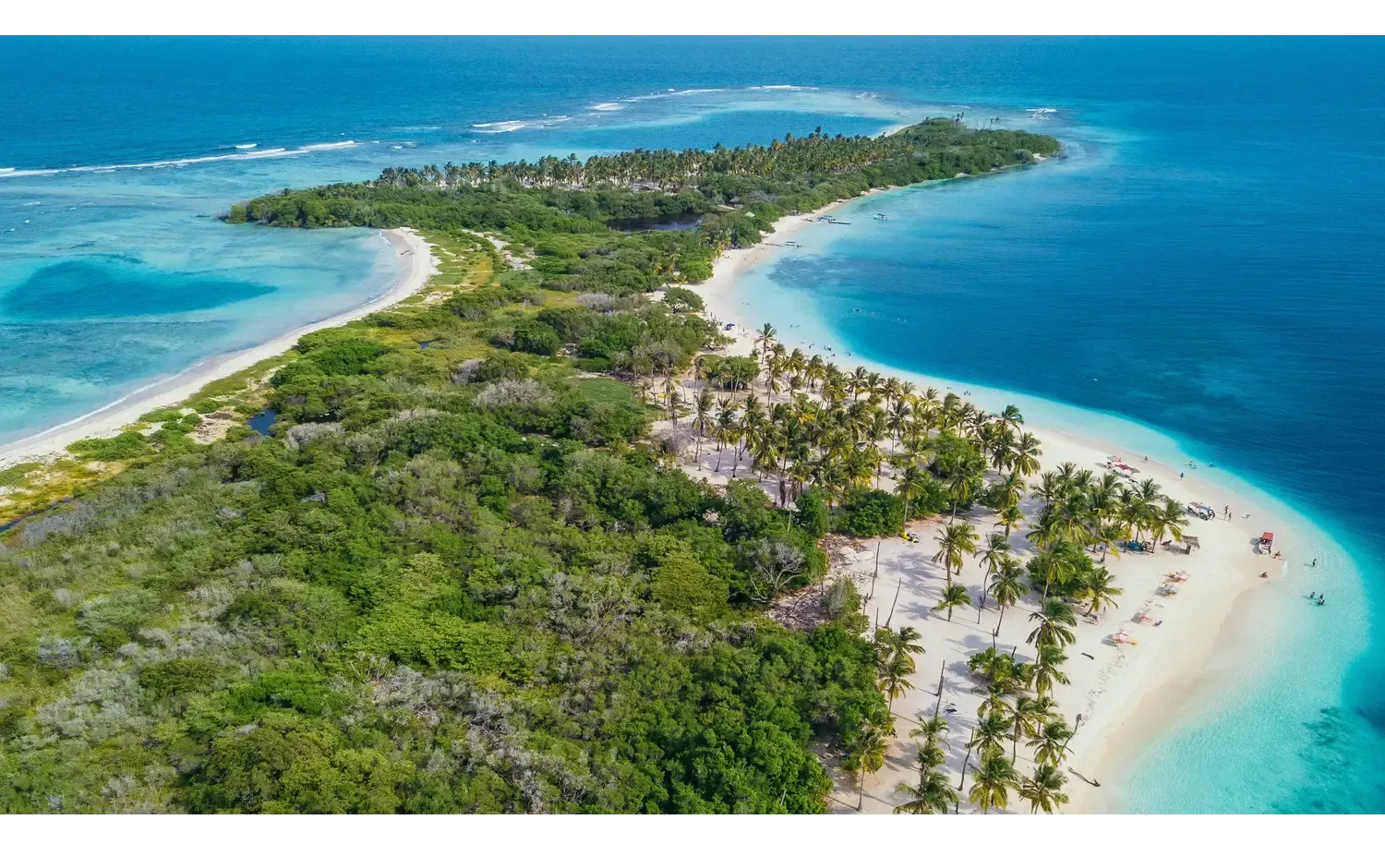
9. Los Roques Is Famous for Turquoise Water and Coral Islands
The Los Roques archipelago comprises coral atolls, white sand cays, and exceptionally clear Caribbean water. National park status restricts development, keeping it among South America's most pristine island destinations.
Some of the most surprising fun facts about Venezuela for international travelers involve these coral islands, which rival dedicated Caribbean nations in beauty and marine life.
10. Venezuela Has One of South America's Most Dramatic Landscapes
Few countries contain Andean mountains, tepui plateaus, Llanos grasslands, Orinoco basin, Caribbean coastline, and Amazonian rainforest within one border.
This extraordinary breadth produces some of the most compelling random facts about Venezuela and striking fun facts for Venezuela geography highlights for any curious traveler.
These interesting facts about Venezuela confirm that the country's landscape variety rivals any nation on the continent.
11. The Orinoco Is One of South America's Great Rivers
The Orinoco flows approximately 2,140 kilometers through Venezuela before reaching the Atlantic Ocean.
It supports extraordinary freshwater biodiversity, including the Orinoco crocodile and river dolphins, representing some of the most important facts about Venezuela for understanding its ecological significance.
12. Venezuela Has Remarkable Biodiversity
Venezuela's ecosystems support species spanning every habitat from Andean cloud forest to Amazonian basin.
Notable wildlife includes the harpy eagle, Orinoco crocodile (critically endangered), capybara, giant anteater, and jaguar, making these some genuinely cool facts about Venezuela's natural heritage highlights.
Read more: Colombia's rich biodiversity and Caribbean coastline share important ecological parallels with Venezuela's own extraordinary natural wealth. It covers 20 fascinating facts about Colombia. 👉 Discover 20 Fun Facts about Colombia to Inspire Your Next Trip
13. Some Tepui Species Are Found Nowhere Else
UNESCO highlights the exceptionally high endemism of tepui ecosystems. Millions of years of summit isolation produced plant and animal species that evolved exclusively on these elevated sandstone platforms and exist nowhere else on Earth, making them scientifically irreplaceable.
14. Venezuela Has a Strong Coffee-Growing Tradition
Venezuelan coffee has a long agricultural history, particularly in Andean regions around Mérida and Táchira, where high-altitude arabica cultivation yields complex flavor profiles.
Venezuelan coffee culture centers on café guayoyo, a traditional filter-brewed black coffee served as an everyday household staple.
15. Arepas Are an Important Part of Venezuelan Food Culture
The Venezuelan arepa is a grilled or baked corn cake filled with shredded beef, chicken, and avocado (reina pepiada), black beans, or cheese.
Eaten at every meal across all regions and social backgrounds, the arepa illustrates how deeply indigenous corn culture shapes daily Venezuelan life. These fun facts about Venezuelan food traditions consistently surprise first-time visitors.
16. Venezuelan Food Reflects Indigenous, European and African Influences
Venezuelan cuisine reflects centuries of cultural exchange through pabellón criollo (shredded beef, black beans, rice, and plantains), hallacas (cornmeal parcels with meat filling steamed in banana leaves), and cachapas (sweet corn pancakes with fresh white cheese).
These dishes illustrate the layered Venezuelan fun facts about food and cultural history.
Read more: The Dominican Republic's Caribbean culture and food traditions share interesting parallels with Venezuela's coastal and culinary character. It covers 15 fascinating facts about the Dominican Republic. 👉 15 Fun Facts About the Dominican Republic
17. Hallacas Are Closely Associated With Christmas in Venezuela
Hallacas are Venezuela's defining Christmas food, assembled through family gatherings where generations prepare and wrap cornmeal parcels before steaming.
Recipe variations differ by family and region, making hallaca preparation one of the most beloved Venezuelan fun facts about cultural identity that surprises international visitors.
18. Baseball Is Hugely Popular in Venezuela
Baseball arrived in Venezuela in the late 19th century and became the country's dominant sport through the oil industry era. Venezuela's professional winter league has operated continuously since 1945.
These fun facts for Venezuela about sport consistently surprise travelers unfamiliar with baseball's deep South American roots.
19. Venezuela Has Produced Famous Baseball Stars
Venezuelan players including Miguel Cabrera (two-time American League MVP), José Altuve (2017 World Series champion), and Ronald Acuña Jr. are globally recognized professional baseball figures.
These random facts about Venezuela about sporting legacy reflect how deeply baseball culture is embedded in national identity.
20. Venezuela's Name Has an Interesting Origin Story
The name Venezuela is most commonly attributed to Spanish explorers comparing Indigenous stilt settlements over Lake Maracaibo to Venice, Italy, in the late 15th century.
This comparison reportedly produced "Little Venice," making it one of the more funny facts about Venezuela that connects a modern nation to a fleeting European observation.
Read more: Mexico's rich colonial heritage and natural diversity share fascinating parallels with Venezuela's own history and geography. It covers 20 of the most compelling facts about Mexico. 👉 Top 20 Fun Facts About Mexico: Hidden Gems, Culture & Nature
21. Venezuela Was Named After Its Connection to Lake Maracaibo
Lake Maracaibo's role in Venezuela's naming reflects how central this body of water was during the earliest colonial encounters. The lake was among the first major geographic features encountered by Spanish explorers arriving on the northern coast in the 1490s.
22. Venezuela Has Three UNESCO World Heritage Sites
UNESCO recognizes three Venezuelan World Heritage properties: Canaima National Park for natural formations, Coro and its Port for colonial urban architecture, and Ciudad Universitaria de Caracas for its modernist campus by architect Carlos Raúl Villanueva.
These represent the most important facts of Venezuela for heritage travelers.
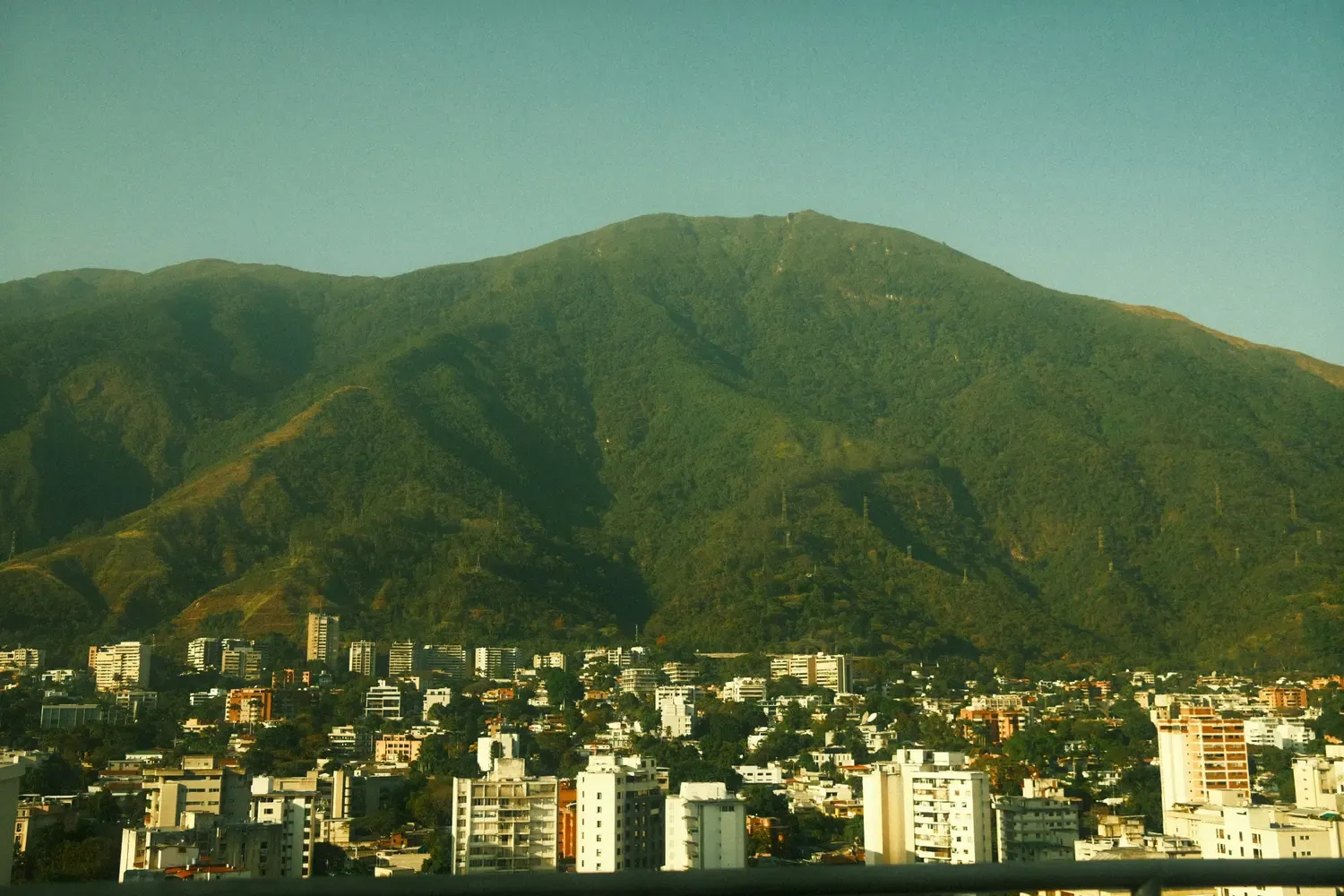
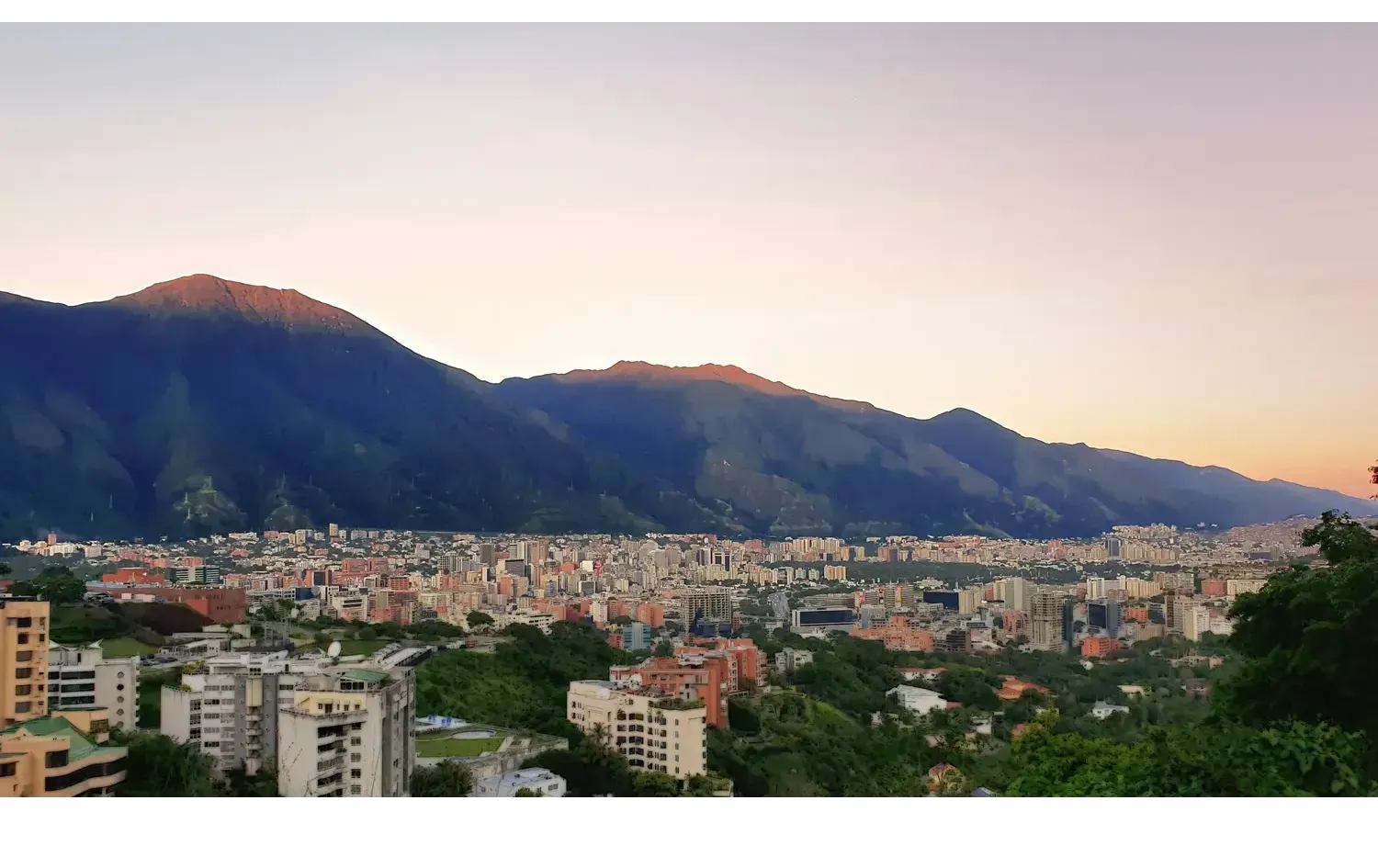
23. Caracas Is Surrounded by Dramatic Mountains
Caracas occupies a narrow valley at approximately 900 meters elevation, flanked by Waraira Repano National Park to the north.
The mountain rises steeply behind the city, creating one of South America's most dramatic urban backdrops and separating the capital from its Caribbean coastline.
Read more: Peru's extraordinary natural and archaeological wonders share parallels with Venezuela's ancient landscapes and indigenous heritage. 👉 20 Unusual Facts About Peru: From Machu Picchu to the Amazon
24. Venezuela Has a Unique Mix of Tropical and High-Mountain Climates
Venezuela's climate ranges from Caribbean tropical heat at sea level to Andean alpine conditions above 4,000 meters.
Pico Bolívar reaches 4,978 meters, a dramatic elevation for a country at tropical latitudes, though Venezuela's high-altitude glaciers have been severely reduced by climate change in recent decades.
These unusual facts about Venezuela about climate diversity are among the most compelling random facts about Venezuela that challenge assumptions about this tropical nation.
25. Venezuela Has Far More Natural Wonders Than Angel Falls
Venezuela's complete natural inventory spans Angel Falls and tepuis, Catatumbo lightning, Los Roques coral islands, Orinoco basin ecosystems, Andean peaks, and the wildlife-dense Llanos plains.
These funny facts about Venezuela and extraordinary natural achievements confirm that geographic variety is the country's defining feature.
These cool facts about Venezuela and fun facts for Venezuela’s natural highlights explain why the country rewards exploration well beyond its most famous waterfall.
These fun facts about Venezuela collectively paint a picture of a nation whose natural diversity remains unmatched in the region.
Read more: Hawaii's volcanic landscapes and island ecosystems share some of the same extraordinary natural energy as Venezuela's tepui plateaus. It covers 15 surprising facts about Hawaii. 👉 15 Fun Facts About Hawaii That Will Surprise First-Time Visitors
Stay Connected in Venezuela With an eSIM
Navigating Caracas, checking ferry schedules to Los Roques, or locating trailheads inside Canaima all require reliable mobile data. Jetpac eSIM activates before you leave home and connects automatically through local networks on arrival.
Jetpac's eSIM Venezuela plan includes 24/7 WhatsApp support and a 100% money-back guarantee. Coverage varies significantly outside major cities, so verifying network reach for specific destinations before relying on the best eSIM for travel in remote areas is strongly recommended.
The Venezuela eSIM from Jetpac removes airport SIM purchase delays and keeps maps, translation apps, and communications live throughout your trip.

FAQs
What is Venezuela famous for?
Venezuela is famous for Angel Falls, Canaima National Park, tepui mountains, Catatumbo lightning, Caribbean beaches, Los Roques, arepas, baseball culture, and extraordinary geographic diversity.
What are 5 interesting facts about Venezuela?
Venezuela has the world's highest waterfall, three UNESCO World Heritage Sites, a Caribbean coastline on a South American country, dramatic Andean elevations at tropical latitude, and one of the continent's largest river systems in the Orinoco basin.
Why is Angel Falls famous?
Angel Falls is the world's highest uninterrupted waterfall at approximately 979 meters, located deep inside Canaima National Park and accessible only by small aircraft or a multi-day river journey.
What is Venezuela's most famous food?
Arepas are Venezuela's most iconic food, eaten at every meal in countless regional variations, while pabellón criollo, hallacas, and cachapas also define Venezuelan culinary culture.
Is Venezuela in South America or the Caribbean?
Venezuela is a South American country whose northern coastline faces the Caribbean Sea, giving it both continental South American geography and Caribbean island destinations including Los Roques and Margarita Island.
What is unusual about Lake Maracaibo?
Lake Maracaibo connects directly to the Gulf of Venezuela and generates the Catatumbo lightning phenomenon through unique atmospheric conditions that produce extraordinarily frequent thunderstorms.
What language do people speak in Venezuela?
Spanish is Venezuela's official language spoken nationwide, while dozens of Indigenous languages are also spoken by communities in Amazonian and Andean regions.
Disclaimer
The information in this blog was accurate w. Travel conditions, site accessibility, entry requirements, local services, network availability, and other details may change after publication. Jetpac is not responsible for any changes made after publication. Please check the latest information with the relevant official authority or service provider before traveling.
Get connected as soon as you land with a Jetpac travel eSIM.