10 Best Things to Do in Mexico (2026)
The best things to do in Mexico include visiting Teotihuacán and Chichén Itzá, exploring Mexico City's historic center, swimming in Yucatán cenotes, and tasting Oaxaca's food. Snorkel in Cozumel, watch whales in Baja California Sur, or ride the Copper Canyon railway. Focus your trip on one region.

The best things to do in Mexico include exploring ancient pyramids, swimming in cenotes, tasting traditional food in Oaxaca, snorkeling in the Caribbean, and discovering Mexico City's historic neighborhoods.
Mexico is famous for its ancient civilizations, colorful towns, regional cuisine, beaches, and spectacular natural landscapes. It suits first-time visitors, families, couples, solo travelers, and adventure enthusiasts.
This blog covers 10 experiences across the country, plus practical information on costs, transport, and planning. For your first trip, start with Mexico City or the Yucatán Peninsula rather than trying to explore several distant regions.

Best Things to Do in Mexico at a Glance
If you're comparing things to see and do in Mexico, this table will help you prioritize activities based on your interests, available time, and budget.
10 Best Things to Do in Mexico
The following experiences cover some of the most rewarding places to see in Mexico, from archaeological sites and museums to nature and wildlife.
#1. Explore Mexico City's historic center
Mexico City's Centro Histórico combines architecture, archaeological remains, museums, markets, and lively public spaces.
Start at the Zócalo, visit the Metropolitan Cathedral, and walk along Francisco I. Madero Street toward the Palacio de Bellas Artes. The nearby Templo Mayor offers a closer look at the history of Tenochtitlan, the former Mexica capital.
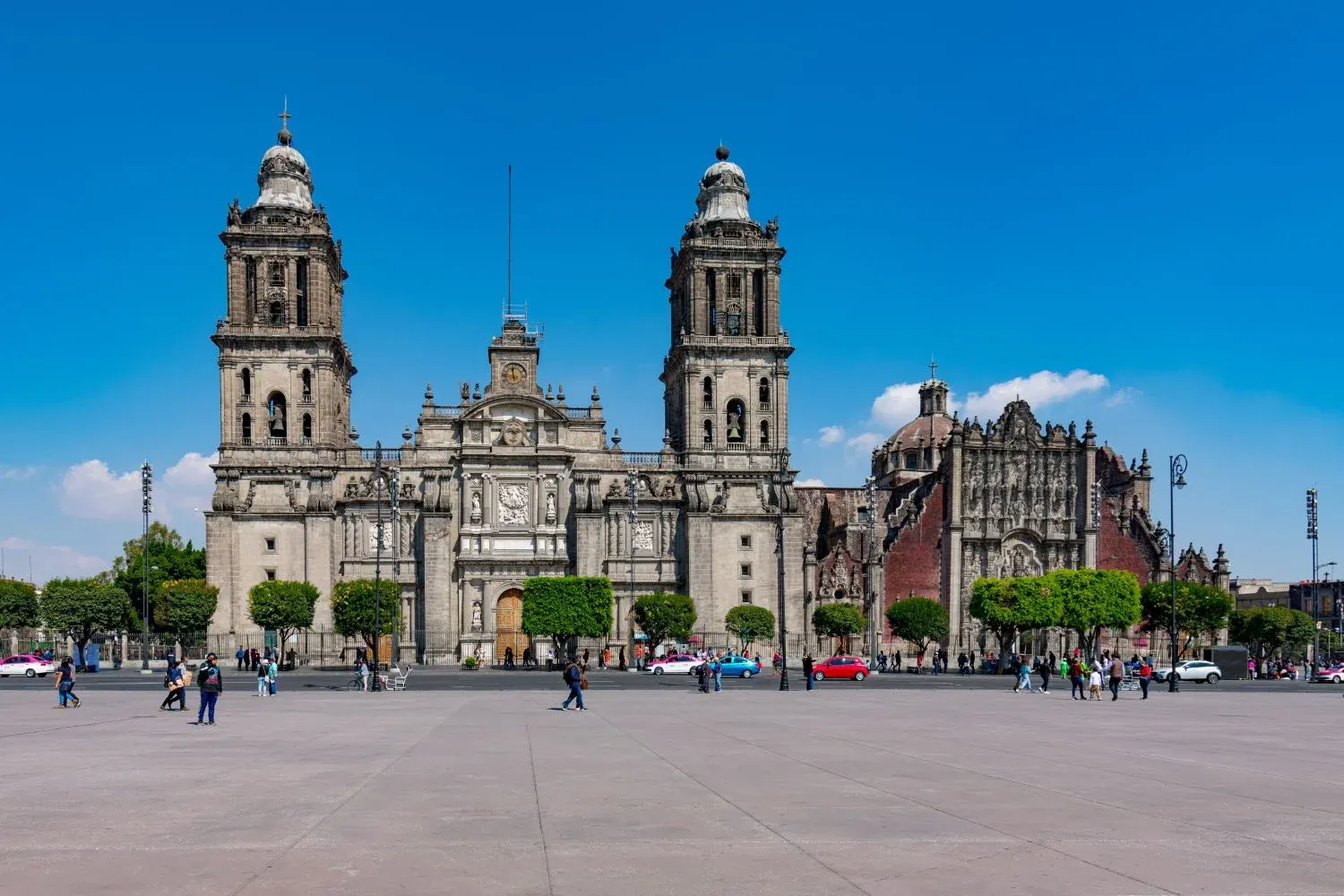
What to do: Explore the Zócalo, admire the architecture, visit Templo Mayor, and try local food.
Practical information:
- Time needed: Half day, or longer with museums.
- Best time: Morning or late afternoon.
- Cost: Walking is free; paid attractions charge admission.
- Booking: Not required for neighborhood walks.
- Getting there: Mexico City Metro, bus, or registered taxi/rideshare.
Insider tip: Explore the outdoor streets first and save museums for the afternoon, especially during warmer weather.
The historic center is one of the most famous things in Mexico worth experiencing without a guided tour.
Read more: To build on your historic-center visit with more food and neighborhood stops, explore Mexico City Travel Guide: Food, Culture & Local Experiences.
#2. Visit the pyramids of Teotihuacán
Teotihuacán is one of Mexico's most important archaeological sites, located northeast of Mexico City.
Its Avenue of the Dead, Pyramid of the Sun, and Pyramid of the Moon reveal the scale of an ancient city that flourished long before the Aztec Empire.
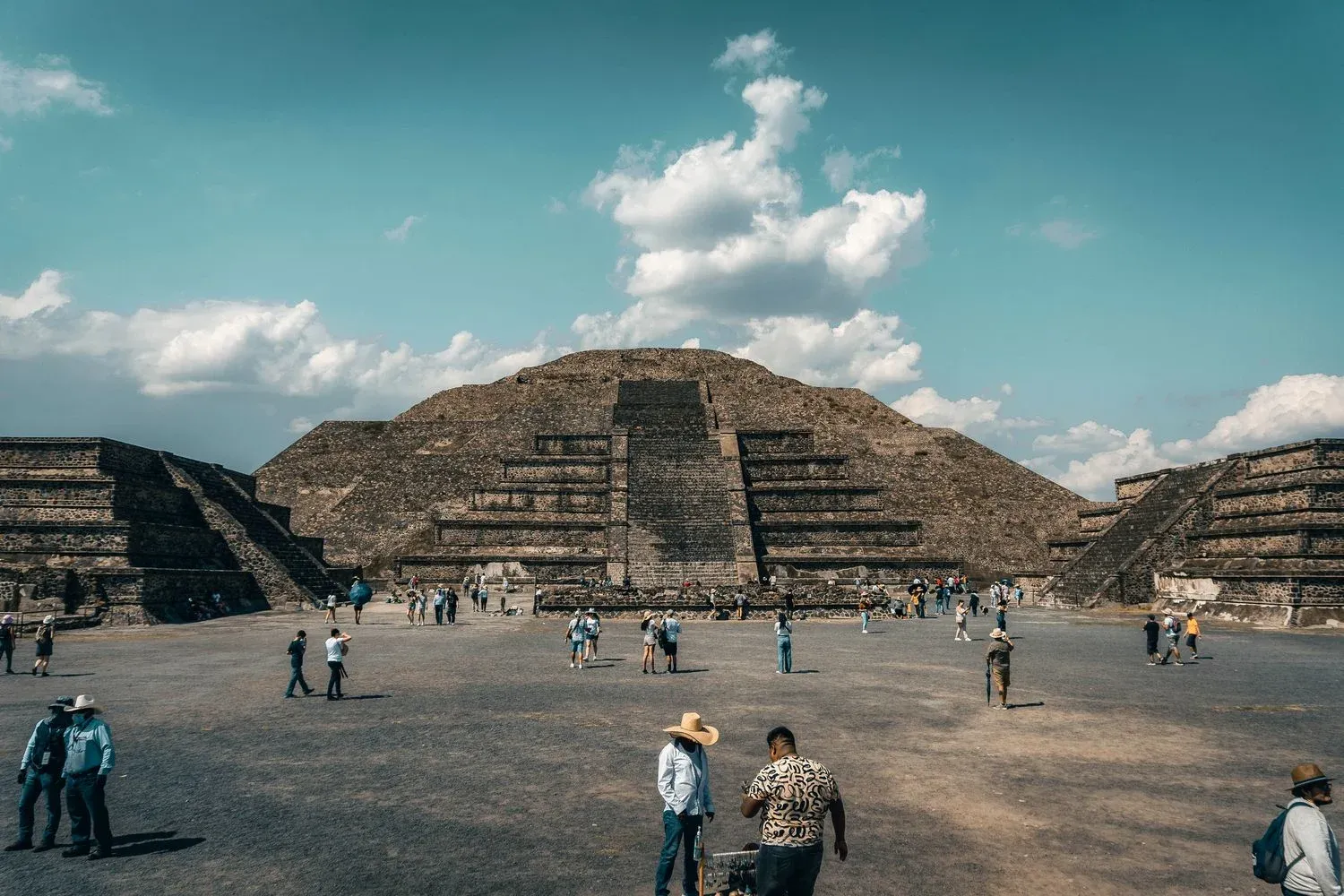
For history lovers, this is among the must-see Mexico attractions that justify a dedicated day.
What to do: Walk the Avenue of the Dead, view the pyramids, and visit the site's archaeological museum.
Practical information:
- Time needed: Around 3–5 hours on-site.
- Best time: Early morning.
- Cost: MXN 210 for international visitors in 2026.
- Booking: Official tickets or a guided tour.
- Getting there: Bus from Mexico City's Terminal del Norte, car, or organized tour.
Insider tip: Bring water, a hat, and comfortable shoes. There is limited shade, and climbing the main pyramids is restricted.
#3. Visit the National Museum of Anthropology
The National Museum of Anthropology in Mexico City is one of the country's leading cultural institutions.
Its collections cover ancient civilizations and living Indigenous cultures, with highlights including the Mexica Sun Stone and Maya archaeological objects.
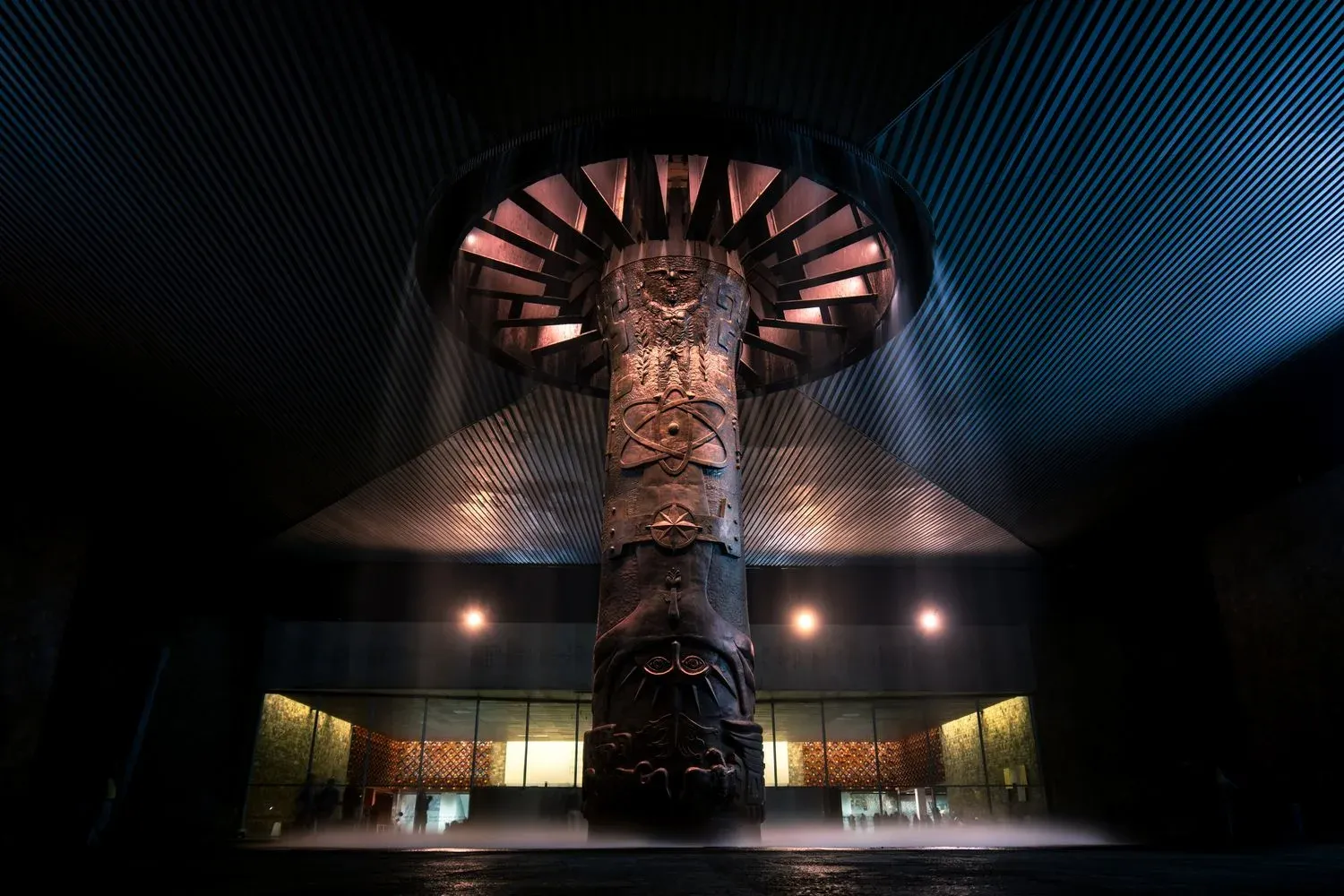
What to do: Explore the Mexica, Maya, and other regional galleries, then visit nearby Chapultepec Park.
Practical information:
- Time needed: 3–4 hours.
- Best time: Weekday morning.
- Cost: MXN 210 general admission in 2026, with applicable concessions.
- Opening: Tuesday to Sunday, 9 AM–6 PM.
- Getting there: Metro, bus, or taxi/rideshare.
Insider tip: Choose a few galleries rather than attempting to see the entire museum in one visit.
This is one of the most worthwhile activities in Mexico for tourists who want to understand the country's history beyond its famous landmarks.
Read more: If your wider trip also takes you into the US Southwest, 10 Best Things to Do in Santa Fe, New Mexico: Local's Travel Guide offers ideas across the border in the US state of New Mexico.
#4. Discover Chichén Itzá
Chichén Itzá is a major Maya archaeological site in Yucatán and one of Mexico's best-known historical landmarks.
Its most recognizable monument is El Castillo, also called the Temple of Kukulcán. Visitors can also explore the Great Ball Court and Temple of the Warriors.
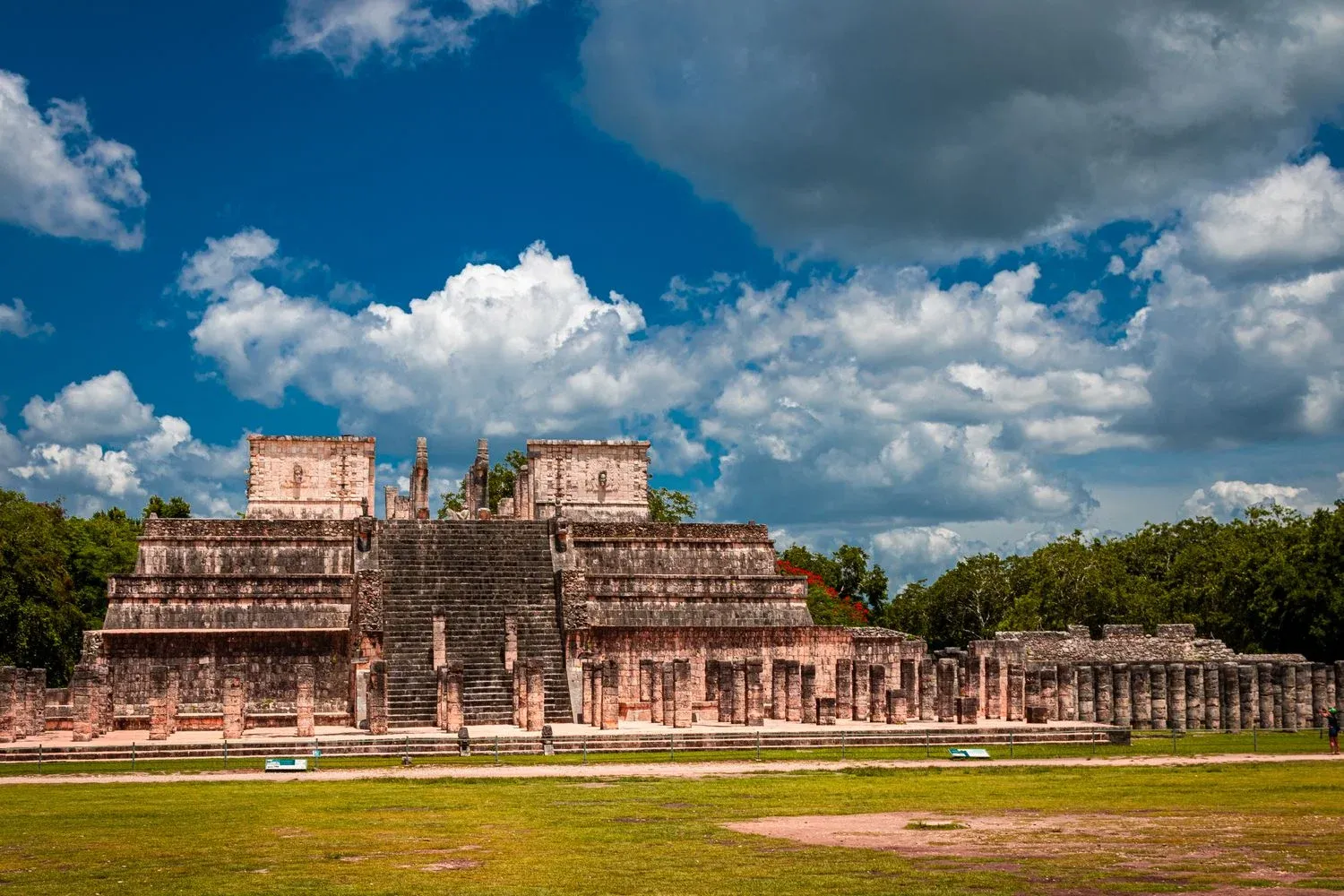
What to do: Walk the archaeological grounds, learn about Maya history, and explore nearby Valladolid if your itinerary allows.
Practical information:
- Time needed: 2–3 hours on-site.
- Best time: Early morning.
- Cost: For foreign visitors, the official listing shows MXN 105 in federal admission plus MXN 548 in state charges, totaling MXN 653 before optional services.
- Booking: Arrange transportation or tours in advance during busy periods.
- Getting there: Road transfer from Valladolid, Mérida, or Riviera Maya destinations.
Insider tip: Stay in Valladolid if you want a shorter journey and an early start.
Chichén Itzá belongs among the must see Mexico attractions, but its location makes it easier to combine with a Yucatán trip than a Mexico City itinerary.
#5. Swim in Yucatán's cenotes
Swimming in cenotes is one of the most fun things to do in Mexico, particularly around Valladolid and the Riviera Maya.
These natural limestone sinkholes contain freshwater, with some opening to the sky and others forming partially enclosed caves.
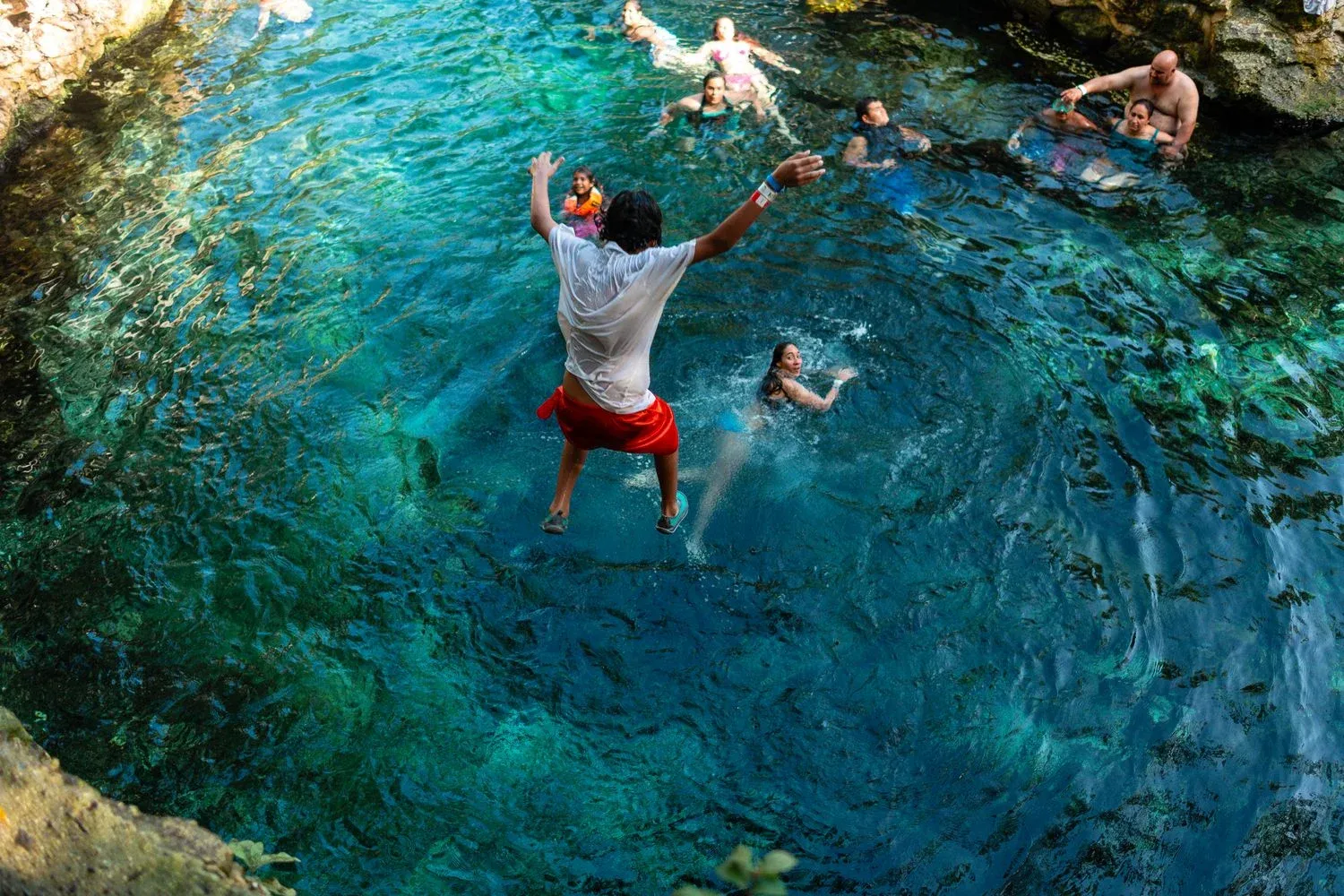
What to do: Swim in designated areas, admire the rock formations, or visit multiple cenotes on a guided excursion.
Practical information:
- Time needed: 2–4 hours.
- Best time: Morning.
- Cost: Paid admission, varying by cenote.
- Booking: Usually flexible, although tours may require reservations.
- Getting there: Rental car, taxi, or organized tour.
Insider tip: Follow each cenote's shower, life-jacket, and sunscreen rules to help protect the water and local ecosystem.
#6. Experience Oaxaca's food and culture
Oaxaca City is known for its regional cuisine, historic streets, markets, and traditional crafts.
Explore Mercado 20 de Noviembre, try tlayudas and mole, and visit shops or workshops selling locally made pottery and textiles.
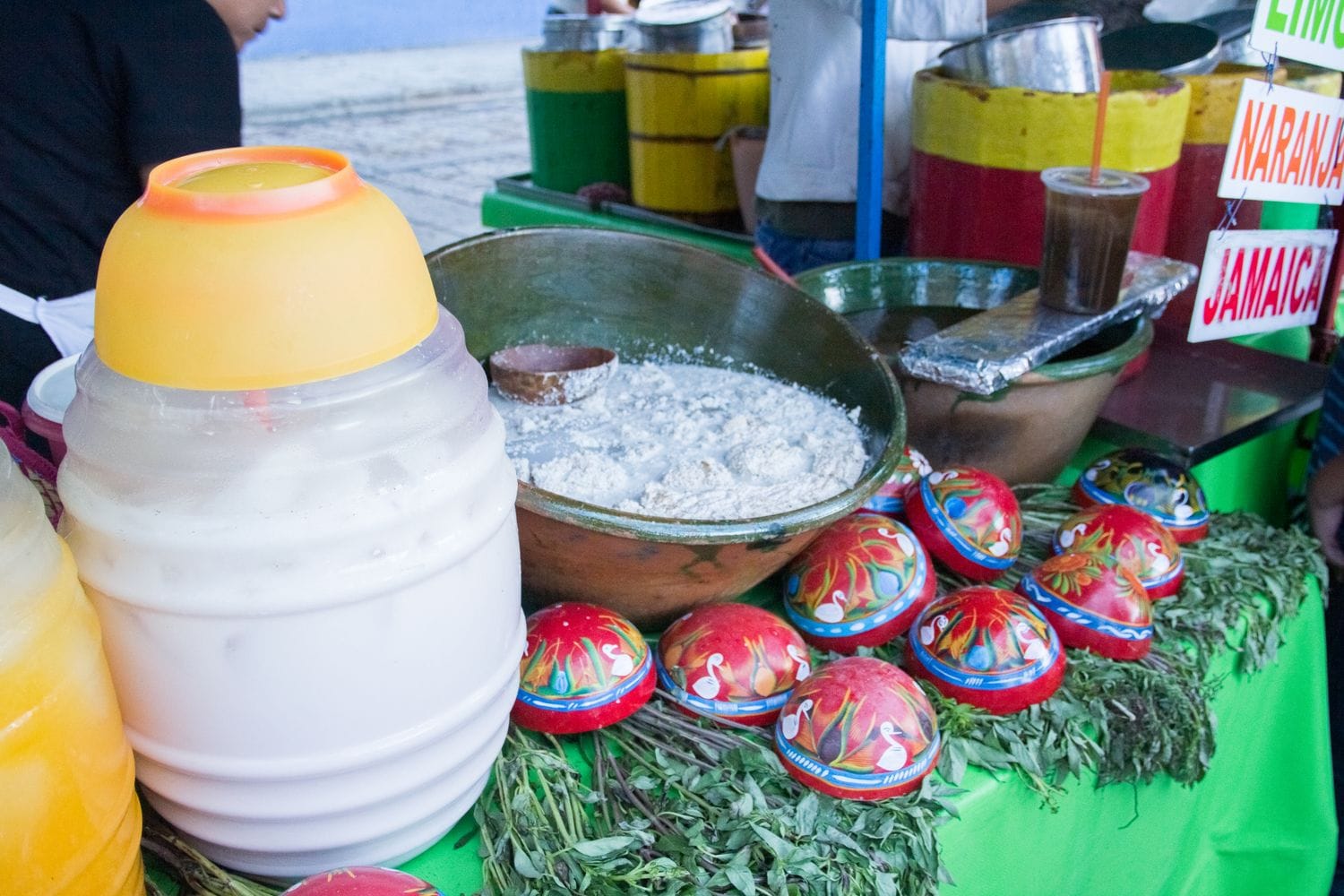
What to do: Visit food markets, take a cooking class, explore the historic center, and consider a trip to Monte Albán.
Practical information:
- Time needed: 1–2 days for city highlights.
- Best time: Morning for markets and evening for restaurants.
- Cost: Free walks; food, workshops, and tours are paid.
- Booking: Recommended for popular cooking classes.
- Getting there: Domestic flight or intercity bus.
Insider tip: Try regional specialties at local markets before paying for a formal tasting experience.
Oaxaca also hosts major Mexico Festivals, including Guelaguetza in July. If you're visiting during festival dates, arrange accommodation early.
#7. See the mineral formations at Hierve el Agua
Hierve el Agua, near Oaxaca City, is famous for its dramatic mineral formations that resemble frozen waterfalls.
The surrounding mountains, walking paths, and viewpoints make it one of the more unusual things to see in Mexico.
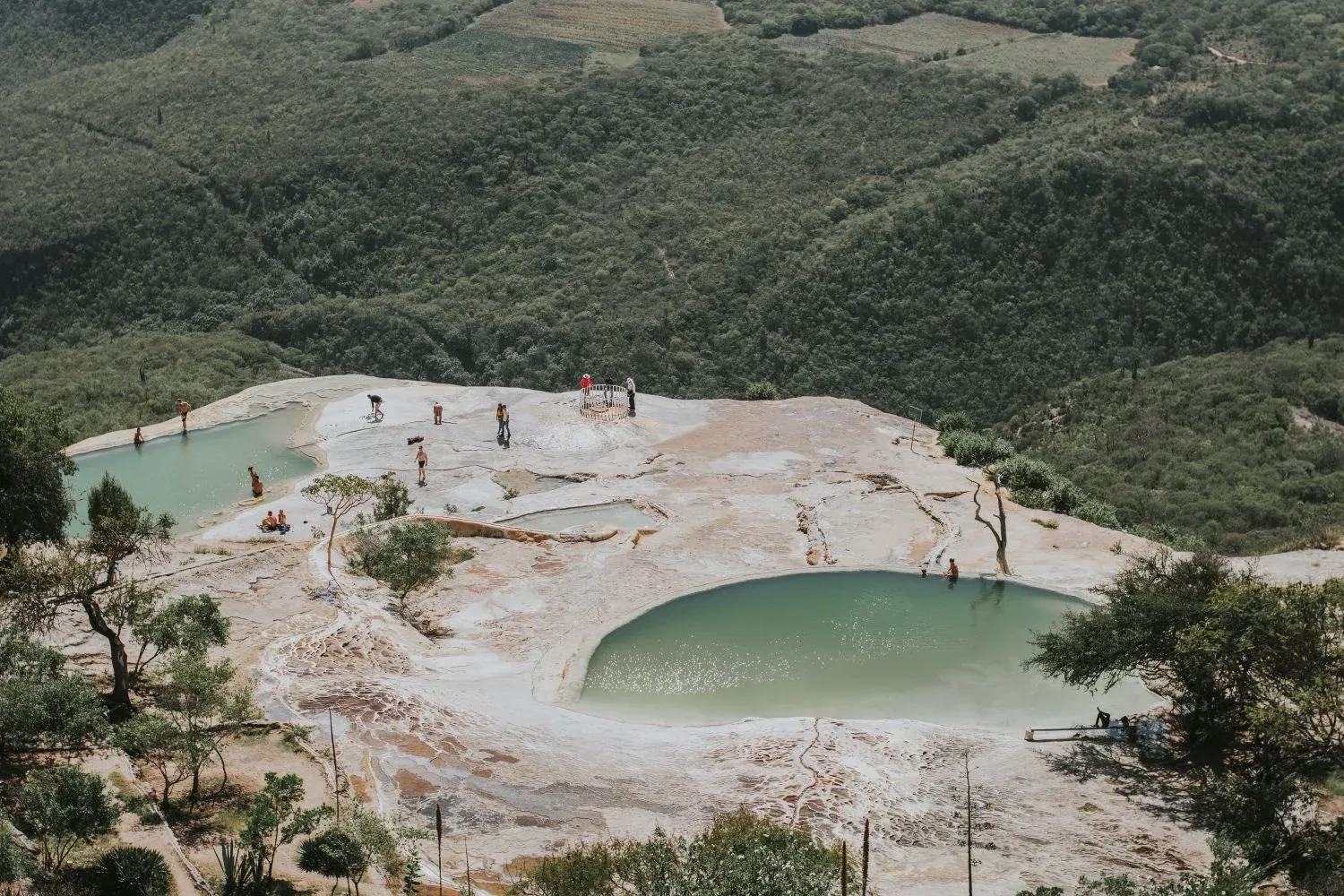
What to do: View the rock formations, walk marked trails, and use designated pools when access is permitted.
Practical information:
- Time needed: Half to full day including transport.
- Best time: Morning.
- Cost: Local admission and transportation charges.
- Booking: Optional guided excursions.
- Getting there: Road transfer from Oaxaca City.
Insider tip: Wear sturdy shoes and check local access conditions before travelling. Not every pool or trail is always open.
#8. Snorkel around Cozumel
Cozumel is known for its clear Caribbean waters and coral reefs.
A guided snorkeling excursion offers opportunities to see tropical fish and explore marine habitats under local conservation rules.
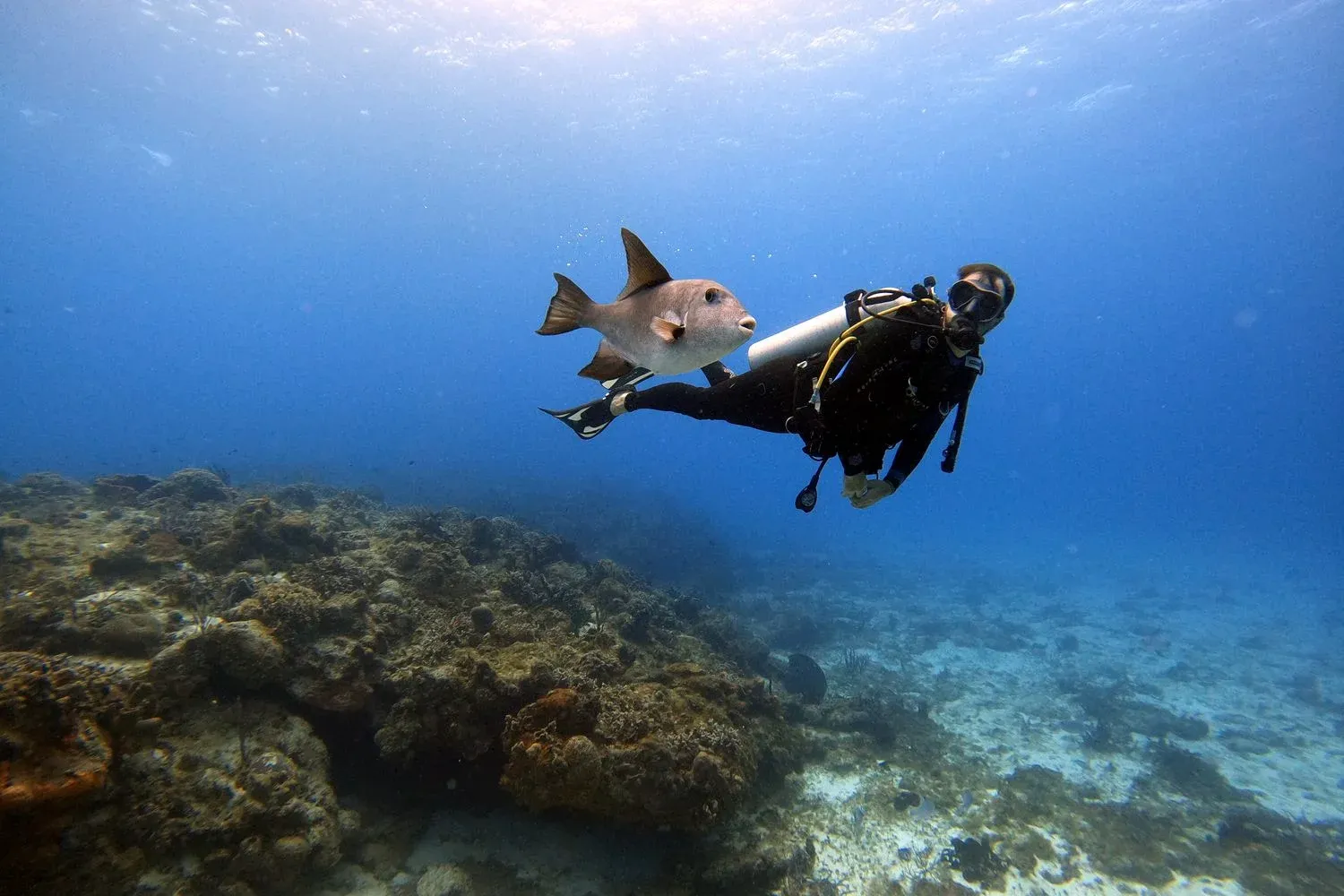
What to do: Join an authorized snorkeling tour, explore coastal areas, and enjoy a relaxed afternoon on the island.
Practical information:
- Time needed: 2–4 hours for snorkeling.
- Best time: Days with favorable sea conditions.
- Cost: Paid excursions, sometimes with marine park fees.
- Booking: Recommended for boat tours.
- Getting there: Ferry from Playa del Carmen or flight to Cozumel.
Insider tip: Choose an authorized operator and never touch coral or feed marine animals.
For ocean lovers, snorkeling is one of the most enjoyable fun activities to do in Mexico.
#9. Go whale watching in Baja California Sur
Gray whales migrate to protected lagoons along Baja California Sur during the winter breeding season.
Authorized excursions operate at locations including Laguna San Ignacio, Laguna Ojo de Liebre, and Bahía Magdalena.
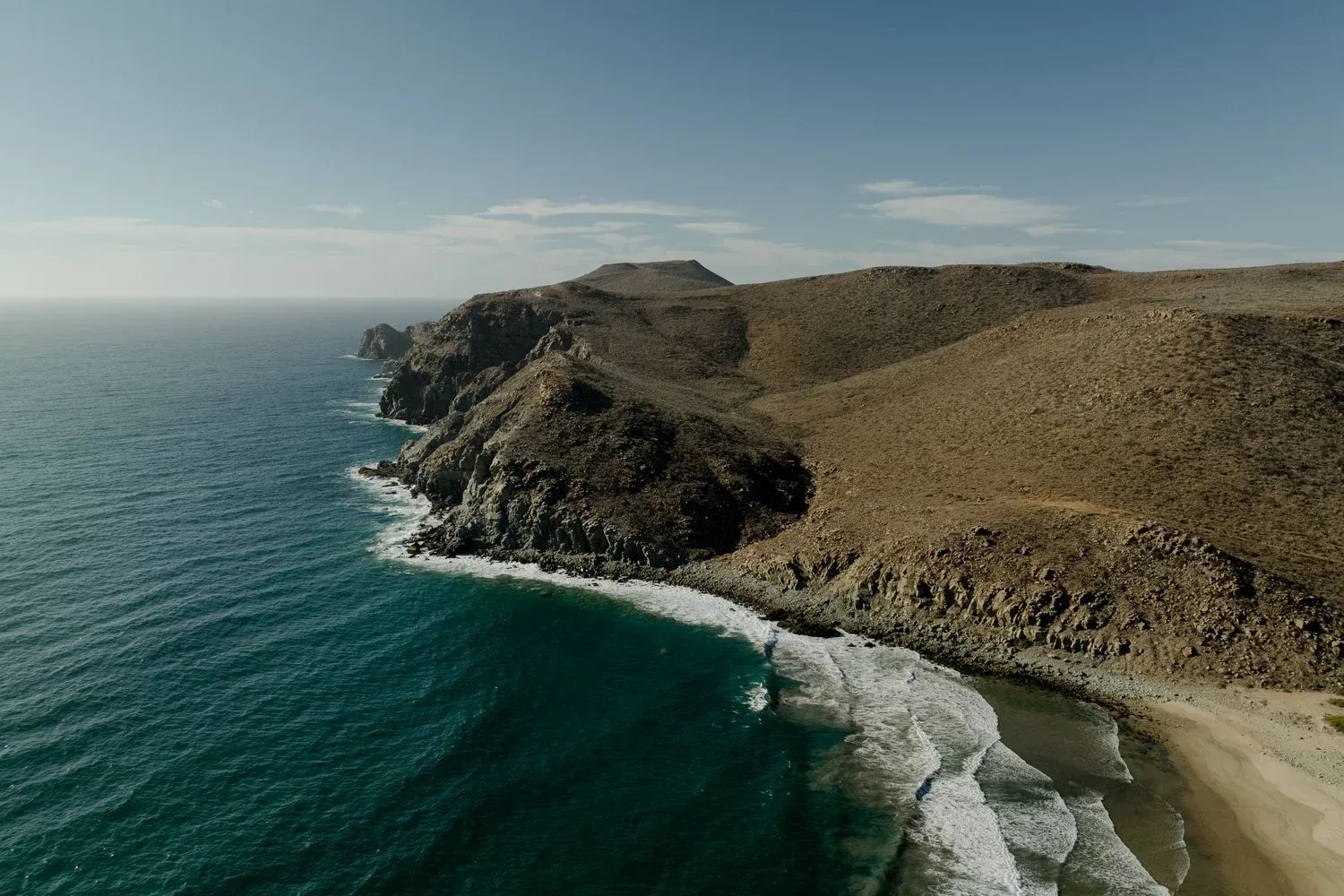
What to do: Join a regulated boat excursion and observe whales from an approved distance.
Practical information:
- Time needed: Half day for the boat activity, excluding travel to the departure point.
- Best time: Winter through early spring, depending on the lagoon and official season.
- Cost: Premium wildlife excursion.
- Booking: Recommended during peak season.
- Getting there: Travel to the appropriate coastal base and book an authorized operator.
Insider tip: The official 2025–2026 observation season ran through April 30 at several designated Baja California Sur locations. Always verify the dates for your specific lagoon.
Wildlife sightings are never guaranteed, but this remains one of the most memorable activities in Mexico for tourists interested in nature.
#10. Ride the Chepe Express through Copper Canyon
Copper Canyon, known locally as Barrancas del Cobre, is a vast canyon system in northern Mexico.
The Chepe Express connects Los Mochis and Creel, passing through mountain scenery and stopping near viewpoints such as Divisadero.
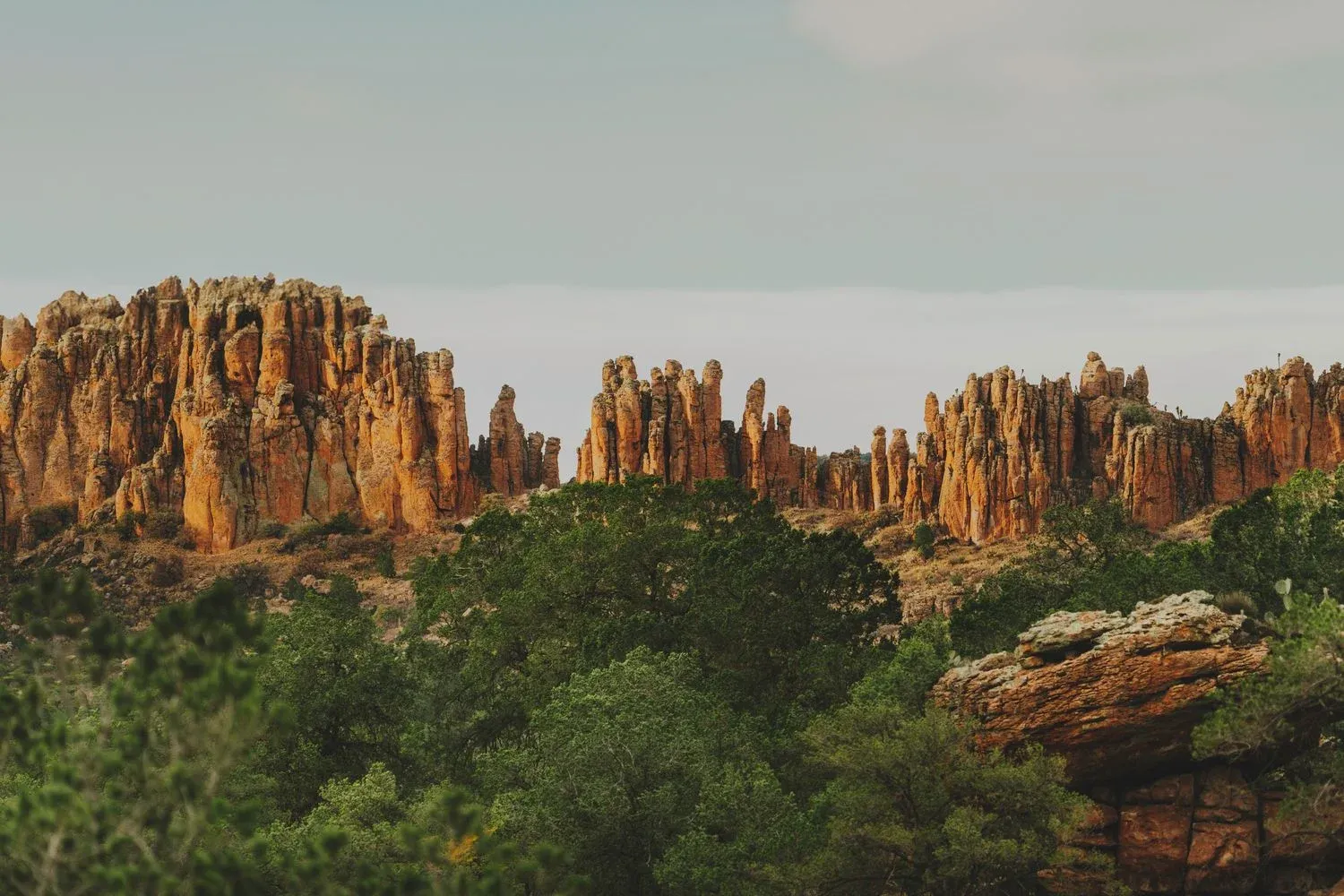
What to do: Enjoy the railway journey, stop at scenic viewpoints, and arrange suitable guided excursions.
Practical information:
- Time needed: 2–4 days with overnight stops, or a shorter train segment.
- Best time: Depends on your preferred weather and the operating schedule.
- Cost: Premium rail travel, with accommodation and excursions additional.
- Booking: Essential.
- Getting there: Start from Los Mochis or Creel.
Insider tip: The train operates on selected days, with seasonal exceptions. Verify the official timetable before booking connecting flights.
Among the famous things in Mexico outside its major archaeological sites, Copper Canyon offers a particularly distinctive landscape.
Things to Do in Mexico by Category
Mexico offers much more than archaeological sites and beach vacations. These categories help match experiences to your interests.
One of the interesting Mexico Fun Facts is that regional traditions and landscapes vary dramatically across the country. Food, architecture, and celebrations in Oaxaca can differ considerably from those in Yucatán or northern Mexico.
Read more: Turn your shortlist into a manageable route with Mexico Travel Itinerary Guide: How to Plan Your Trip for 3, 4, 5 or 7 Days.
Free Things to Do in Mexico
Some of the most enjoyable things to do in Mexico don't require admission tickets.
You can walk around Mexico City's Zócalo, explore Oaxaca's public squares, browse local markets, enjoy freely accessible areas of Chapultepec Park, or relax on public beaches.
Other popular things in Mexico that cost little include photographing historic streets, visiting neighborhood plazas, and attending free community performances where available.
Remember that free entry doesn't necessarily include transportation, equipment, parking, or nearby private facilities.
Things to Do in Mexico for Different Travelers
First-time visitors
Prioritize Mexico City, Teotihuacán, a regional food experience, and an archaeological site close to your chosen destination.
Couples
Try a food tour in Oaxaca, a cenote visit near Valladolid, or a sunset coastal excursion. These are among the more relaxed fun things to do in Mexico.
Families with kids
Choose Chapultepec Park, age-appropriate museum visits, suitable cenotes, and guided nature experiences.
Solo travelers
Mexico City and Oaxaca offer museums, organized tours, and established tourist services. Our Mexico Solo Travel guide can help with accommodation, transportation, and solo-trip planning.
Adventure travelers
Snorkeling, canyon sightseeing, guided hikes, and seasonal wildlife excursions offer more active options.
Things to Do in Mexico by Area
Mexico is large, so choosing a region is essential when deciding "what to do in Mexico" during a limited trip.
Central Mexico
Best for Mexico City, Teotihuacán, museums, and historic architecture.
Yucatán Peninsula and Caribbean coast
Best for Chichén Itzá, cenotes, Valladolid, Cozumel, and beach activities.
Oaxaca and southern Mexico
Best for regional food, crafts, archaeological sites, and mountain scenery.
Baja California Sur
Best for seasonal whale watching, coastal landscapes, and marine activities.
Northern Mexico
Best for Copper Canyon and scenic railway journeys.
For more options beyond these 10 experiences, explore our Best Places to Visit in Mexico guide.
Best Things to Do in Mexico at Night
The best evening experiences depend on your destination.
Mexico City offers restaurants, live music, and cultural performances. Oaxaca's historic center has lively plazas and dining, while coastal destinations are popular for sunset meals and entertainment.
Seasonal Mexico Festivals may also include music, public performances, and evening celebrations.
Choose well-populated areas and arrange reliable transportation when returning to your accommodation.
Best Day Trips in Mexico
For a country-wide itinerary, day trips work best from established regional bases.
Allow a full day for Teotihuacán or Hierve el Agua when accounting for travel and sightseeing. Chichén Itzá is easier to visit from Valladolid than from distant coastal resorts.
Things to Do in Mexico by Season
Spring (March to May)
Spring is good for many cultural trips, although some areas become extremely hot. Plan outdoor sightseeing early.
Summer (June to August)
Rainfall increases across many regions, while July brings Oaxaca's Guelaguetza celebrations. Coastal weather can be humid.
Fall (September to November)
This period includes Día de Muertos celebrations around late October and early November. Coastal areas may still experience tropical storms.
Winter (December to February)
Winter is popular for Mexico City sightseeing, many beach destinations, and seasonal whale watching.
Because conditions differ greatly between regions, consult our Best Time to Visit Mexico guide before choosing dates.
Things to Do in Mexico Based on Trip Length
If you have 1 day
Stay in one area. In Mexico City, explore the Zócalo and nearby historic streets.
If you have 2 days
Combine the historic center with the National Museum of Anthropology and Chapultepec Park.
If you have 3 days
Add Teotihuacán to your Mexico City itinerary, or spend three days exploring Valladolid, Chichén Itzá, and nearby cenotes.
If you have 5–7 days
Focus on one region or combine two nearby destinations. For example, explore Mexico City and Oaxaca, or plan a Yucatán itinerary around Valladolid and the Caribbean coast.
Don't attempt to visit all 10 attractions in a single week. They are spread across different parts of the country.
Best Experiences for First-Time Visitors
For your first trip, choose a combination of history, food, and nature rather than focusing entirely on one type of attraction.
My top recommendations are Mexico City's historic center, Teotihuacán, the National Museum of Anthropology, an archaeological site in Yucatán if you're visiting that region, and a local food experience.
These represent some of the best things to see and do in Mexico without requiring an exhausting country-wide itinerary.
How to Plan Your Activities
The easiest way to plan is to choose your region first and group nearby attractions together.
Reserve major tours and special experiences in advance, visit outdoor archaeological sites early, and allow extra time for transport.
Keep some flexibility for weather-dependent activities, especially snorkeling, boat tours, and wildlife excursions.
A good Mexico Travel Guide should also cover local transportation, weather, official travel advisories, and accommodation locations, not just attractions.
Getting Around Mexico
For long-distance travel, compare flights and buses before deciding. Train services operate on selected routes rather than forming a comprehensive national passenger network.
How Much Do Things to Do in Mexico Cost?
There isn't one reliable nationwide average for attraction spending. Costs depend on the region and experience.
For reference, Teotihuacán and the National Museum of Anthropology each list MXN 210 general admission for international visitors. Chichén Itzá has additional state-level charges.
Always check whether tour prices include admission, transport, equipment, and guide fees.
Read more: Check Will My Phone Work in Mexico? 6 Tips for Travelers before purchasing a plan so you can confirm your phone is ready for the trip.
What to Book in Advance
Book ahead: Whale-watching excursions, Chepe Express tickets, popular guided tours, cooking classes, special events, and accommodation during major festivals.
Usually flexible: Historic neighborhood walks, public parks, markets, and many self-guided city experiences.
For archaeological sites, verify current rules and use official ticket channels where possible.
Comparing the best eSIM for Mexico
The right provider depends on your data needs, trip length, and travel style.
Jetpac is worth considering for visitors who want one reusable eSIM profile for multiple trips, along with supported network switching and hotspot sharing without a separate tethering cap, subject to the plan's data conditions.
Airalo offers a range of travel packages, Holafly focuses on unlimited-data options, and Saily currently offers both fixed-data and unlimited plans. Compare the actual Mexico packages rather than assuming one provider is always cheapest or best.
Before buying an eSIM for Mexico, confirm that your phone is unlocked, supports eSIM, and can connect to the provider's partner networks.
Install your eSIM Mexico travel plan over Wi-Fi before departure, following the provider's activation instructions for your destination.
For a more detailed comparison of coverage, data allowances, and features, see our Best eSIM for Mexico guide.
Common Mistakes When Planning Things to Do in Mexico
Avoid these common planning mistakes:
- Covering too much distance: Mexico's major attractions are spread across several regions.
- Underestimating transport: Road journeys and airport transfers can take longer than expected.
- Ignoring the heat: Visit exposed archaeological sites early.
- Missing seasonal restrictions: Whale watching, marine activities, and some routes operate according to local conditions.
- Skipping reservations: Popular tours, railway tickets, and festival accommodation can sell out.
- Assuming every beach is free to use without costs: Parking, facilities, and protected-area access may involve charges.
- Ignoring local safety advice: Check official advisories for the states and routes you plan to visit.
- Relying only on public Wi-Fi: Download offline maps and arrange a suitable mobile data plan.
Choosing fewer activities within one region usually creates a better trip than rushing between distant destinations.
Staying Connected in Mexico
Mobile internet helps with navigation, translation, ride-hailing, digital tickets, accommodation bookings, and messaging.
Hotels and cafés often provide Wi-Fi, but it isn't always available between towns or at outdoor attractions.
A Mexico eSIM from Jetpac can provide mobile data without relying entirely on your home carrier's roaming plan.
Read more: To compare ways to stay online between sightseeing stops, read Internet in Mexico: Best Providers and Avoid Roaming Fees.
FAQs
What are the best things to do in Mexico?
The best things to do in Mexico include visiting Teotihuacán and Chichén Itzá, exploring Mexico City, swimming in Yucatán cenotes, tasting Oaxaca's food, and enjoying marine or wildlife experiences.
What is the number one thing to do in Mexico?
There is no single best attraction for everyone. Teotihuacán is a strong choice near Mexico City, while Chichén Itzá stands out for visitors exploring Yucatán.
How many days do you need in Mexico?
Seven to ten days is a useful starting point for exploring one or two regions. Shorter trips are better focused on a single destination.
What are the best free activities in Mexico?
Walking through historic centers, visiting public plazas, exploring parks, browsing markets, and enjoying public beaches are excellent free options.
What are the best things to do in Mexico with kids?
Families can visit Chapultepec Park, explore museums, swim at suitable cenotes, and join age-appropriate guided excursions.
What are some famous things in Mexico worth experiencing?
Ancient pyramids, cenotes, regional cuisine, traditional markets, and cultural festivals are among Mexico's most recognizable experiences.
What are the best things to do in Mexico at night?
Try local restaurants, cultural performances, live music, evening plazas, and sunset coastal activities in established tourist areas.
What should I book in advance in Mexico?
Book whale watching, scenic railway tickets, popular guided excursions, special events, and accommodation during major festivals ahead of time.
What are some fun things to do in Mexico besides sightseeing?
Swimming in cenotes, snorkeling, taking cooking classes, exploring food markets, and joining wildlife tours are enjoyable alternatives.
What should I not miss on my first visit?
Include one major archaeological site, a regional food experience, a historic neighborhood, and a natural attraction that fits your itinerary.
Disclaimer
This blog is for educational and general travel-planning purposes only. Information is based on publicly available sources reviewed in October 2026. Attraction fees, opening hours, booking requirements, transportation schedules, safety conditions, seasonal activities, and eSIM plans may change. Verify current information with official attractions, transportation operators, government sources, and service providers before travelling. Jetpac is not responsible for inaccuracies, subsequent changes, or losses arising from reliance on this information.
Get connected as soon as you land with a Jetpac travel eSIM.